Kyle Clements (00:00):
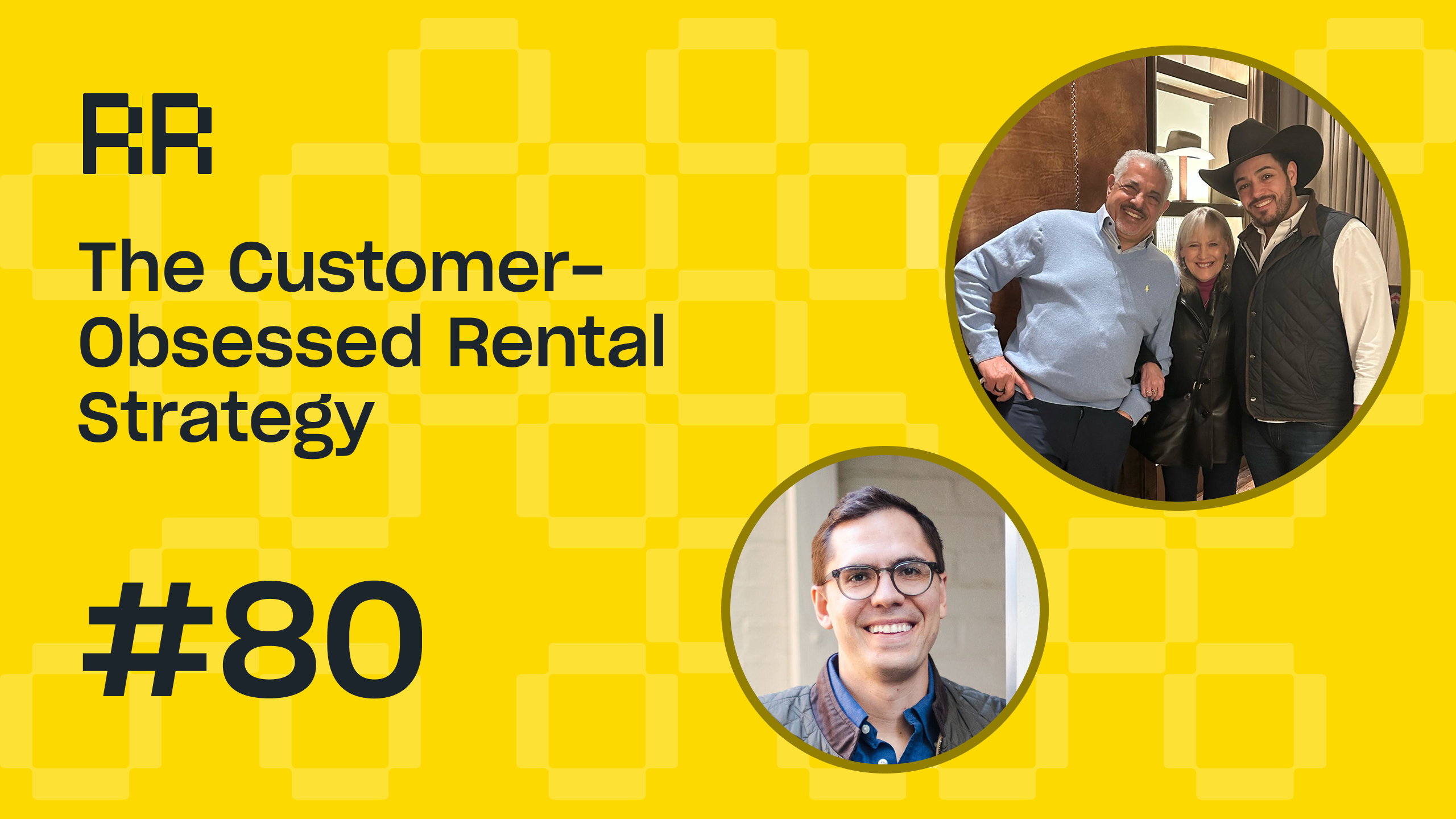
Hey everyone, for episode number 80 we had on Mike Rhima, he’s the founder and CEO of Easy Equipment Rental based out of Dallas, Texas. Started company about seven or eight years ago, grew up really working in the automotive space, car dealerships and got connected somewhat with the ARA, saw the opportunity and equipment rental and started working part-time, became full-time now. Has a team of about a dozen people working for him, thinking about expanding to a second location. Just really successful. Talked a lot about how he served his customers and the repeat business he gets. So that’s been the primary force for their growth and also talked about digital marketing has been a huge untapped area of growth for them as well and the importance of digital ads, SEO, and even tweaking their ads every week based on what sort of utilization levels they have on their different pieces of equipment. So I’ve known Mike since the beginning starting Quipli and really enjoy Mike and what he’s been doing. So hope you enjoy the episode. Alright everyone, welcome to the Rental Roundtable episode number 80 we’ve got on Mike Rhima. He’s the founder and CEO of Easy Equipment Rental in Dallas, Texas. Mike, welcome to the show today.
Mike Rhima (01:03):
Thank you so much.
Kyle Clements (01:05):
It’s good to see you Mike. We’ve known each other for, ever since I started Quipli. Iit was four or five years we’ve seen at you at the ARA show every year. So it’s good to connect here and you’re an entrepreneur yourself. Started your company 2017, 2018 from scratch. A lot of people listen to this podcast or entrepreneurs are wanting to start a company or they’re on the journey. So excited to talk to you today about what’s worked, what’s not worked and really how you’ve gotten this far today.
Mike Rhima (01:29):
Well I mean I started the company in 2017 and actually I acquired all my equipment in ARA show in 2018 in New Orleans. And since then I didn’t look back. I changed a couple of locations. My old location was, most of it was acquired by the state for the highway and finally I landed this location over here, used to be a bank building and sits in two acres with a couple of big beautiful buildings, very safe, it’s in a great location in a Hispanic neighborhood. There’s a lot of Hispanics living over here and it’s been working very well.
(02:08):
Prior to that I was in the commercial truck business. I was buying and selling and renting some of Buck’s Trucks, some bucket trucks and little mini 12 and 14 passenger minivans. And one day I reached out to the ARA and Leon, he was my insurance rep in the area came and he said, Mike, you should be in equipment. And I said, well I don’t know what equipment you’re talking about. He said,” scissor lift, boom lift”. I said, well I didn’t know the difference between scissor lift and boom lift. And he said, in two weeks we have the TRA meeting in Austin. I would like you to come as a guest. So my wife and I drove to Austin from Dallas and we attended and by the time I came back I already had a handful of machines and probably about eight scissor lifts and I didn’t look back. And it’s been working very well and the only regret is I wish I did that 20 years ago.
Kyle Clements (03:11):
That reminds me of my dad saying the best time to plant a tree is 20 years ago. It’s like the best time is today. So people listening today, at least we could take forward, move forward today. Right, exactly. Sounds like the RA and the TRA has been a big part of your journey. Is that an ARA sticker on your door? Do I see that?
Mike Rhima (03:26):
Yeah, I guess so.
Kyle Clements (03:28):
I think so. There you go. We’re big fans of the ARA. They just serve the industry very well. Right, they’re very much of service. So you kind of grew up in the commercial trucking space it sounds like or that was most of your career, is that right?
Mike Rhima (03:43):
Well no, prior to that I was in the car business. I was a franchise to a Payless Car Sales and Payless Car Rental franchise and the car business took a bad turn back in 2008 with the financial crisis and I started focusing more on needs than want and needs was commercial trucks, fox trucks and things like that. And I started doing very well with it and like I said, the only thing I was missing is getting more deep in the rental on a commercial truck. So that’s why I was looking for an insurance company or insurance carrier will ensure that. But my background always in automotive as a matter of fact the whole family, we have about 11, 12 car dealership in the Naif W area.
Kyle Clements (04:34):
Yeah, very cool. I mean my background, I dunno if I knew this was an automotive software and a lot of our team, so I worked at three different companies. Uber’s the most well-known one, but several companies that sold software to car dealerships. Jeff Van Dogan, he was episode, maybe five episodes before this at Econorent. He came from Motorminds. There’s a lot of people who come from automotive and they look at equipment rental and goes, it’s like an underserved opportunity and I think you saw that when you came over.
Mike Rhima (05:00):
It is.
Mike Rhima (05:02):
And the difference between the cars and the equipment rental business, the equipment rental businesses more into need. We got, a customer will call in, I don’t like to miss a phone call. So, after hours the office phone will forward to my cell phone. So, I get calls all the time. I got calls ten o’clock in the evening, I got calls six o’clock in the morning and I don’t want to miss a call. And the customers, the only thing I hear from the customer is “I need this machine by 10 o’clock”, “I need this machine by seven o’clock.” So it’s a more need business than want. And my philosophy and everything I lecture my guys is if we service with a smile and make sure the machine is running fine and the machine is serving the customer and if there’s an issue with the machine, let’s make it up to him with another machine or let’s refund him 50%. And I really try the best I can to have the customer come back. I am into customer experience. I keep up with reviews, I make sure customers leave good reviews, I respond to the customers. I attend a lot of exhibits. I just finished with the Hispanic Chamber, Hispanic Contractor Association exhibit. I had a booth up there and we attract great customers coming in and the same thing, I did that with the Dallas Builder Expo, so that’s how I tried to put a face for my company.
Kyle Clements (06:32):
Yeah, well I mean we could in some sense stop the episode right here because what you just said is the key. I’ve done 80 of these now and maybe talked to over a thousand rental companies. The ones that do the best are the ones who are customer obsessed. They serve their customers because when you get a call say “Hey I need a skid steer in three weeks”, it’s like I needed three hours or less.
Mike Rhima (06:51):
Yeah, exactly, exactly.
Kyle Clements (06:54):
And you’re able to respond quickly and serve the customers well and that’s how you can beat the nationals, right? With speed and customer service.
Mike Rhima (06:58):
They know that about it. And really the difference between us and the national, I mean as you see the cameras over there, if I see a customer behind the camera and if I hear the voice, there’s something, I go out there and I see what exactly is whatever I need to do to make sure this customer is satisfied, to make sure this customer comes back. My big thing is having him come back and that’s what I work on and that’s the difference. I take of course credit card, we try best we can minimize the cash customer. We really didn’t do much of cash, but we really try best as we can to build the book of customers.
Kyle Clements (07:36):
Well if someone comes in during the podcast we could pause it. So you don’t want to use any rentals today if we need to.
Mike Rhima (07:41):
No, no. I’m in my office over here. I’m not much involved with behind the counter. I’m in my office over here, try to make things happen in the backside. Either buying equipment or build line of career with a bank or talking to somebody like you or this or that. I’m not really much of a customer service in there.
Kyle Clements (08:03):
You’ve been able to work on the business, not in the business. Right. That’s something be able to, that’s the ceo.
Mike Rhima (8:08):
That’s my philosophy.
Kyle Clements (08:10):
Was that hard to get to that point? Take me back to the beginning, even before that, is this your first business you’ve started?
Mike Rhima (08:19):
No, actually my background, I came from Egypt. I was 21 years old. I had a brother living in Bryan, Texas and I was in college a second year in college. He sent me an invitation to visit him and I came over here and just loved it. So he did the paperwork and ended up getting married over here and stayed in United States and my first business I, I had to actually open a car wash. And a quick lube and oil change in Arizona, build them up. A guy came in and bought the business and I took the money, started investing a little bit in real estate and moved to Texas. That time, I have two brothers and two sisters living in Dallas and I had the twins and I had Michael and my sister. And my brother said “you’re not moving back to Arizona with these kids, you need to move over here.” And I moved to Texas and I opened a car dealership and just kept growing and like I said, with the burn down with 2008 with the car, with the financial crisis, I decided to change direction a little bit with the commercial trucks and this is where I am right now.
Kyle Clements (09:34):
So you’ve always sort of been an entrepreneur, you had that in your blood, you didn’t have rental in your blood, which a lot of people do.
Mike Rhima (09:41):
No.
Kyle Clements (09:41):
How did you first hear about equipment rental? How did you really say like, “oh, that went from a market I now know about to a market I want to start a company”, what was that process like?
Mike Rhima (09:51):
Well I was really mean. The commercial truck was getting a little bit harder and harder to get good quality trucks. I was traveling to Indiana all the time to buy equipment from there I was traveling to a lot of places and when I was trying to little bit enhance my revenue from truck sales to truck rental and I was searching in the internet for commercial truck rental and ARA came up and I reached out to ARA and Leon, the cowboy guy, I don’t know you probably saw him in auction, I mean in that trade show all the time. He came in and he looked to my location, my old location was in a good highway traffic and he said, “Mike, you should be in Equipment.” And like I said, “which equipment, Leon?” He said, “scissor lift, boom lift.” I said, well I didn’t know the difference.
(10:44):
So I attended the TRA and from the TRA I attended every meeting we have with ARA and TRA. I built a great relationship with vendors and so now I do the rentals and I do equipment sales. I found a niche with the propane so I set up a website for it and I became a dealer to Flame King, which is a propane bottle manufacturer and I buy them wholesale and fill them up and sell them to customers. So it’s been working very well and we are now in the second chapter we open, we’re trying to open another location in the Fort Worth area. We are in Dallas County. We’re trying to open a location in Tarrant County, which is in Fort Worth. I have a couple of big vendors behind me. I have Sinoboom, I have a couple of big vendors I’m working with, so that should be great.
Kyle Clements (11:45):
So it sounds like entrepreneur worked in the car world for a while and you met a lot of people in the rental. Talk about relationships. You met Leon and he really showed you the power of rental. What about the rental market really grabbed you though? What opportunity did you see?
Mike Rhima (12:04):
Really Kyle, this is not a quick rich scheme. This is not going to happen overnight. This is going to take some time and that’s why it’s generation after generation in this business. I feel like this business is the only business have the grandpa and father and the son and similar, because you build it up, it’s just, it’ll be on a cruise control but it’s going to take some time to really happen. And I feel like I’ve been in the business now for seven, eight years and I see the numbers is moving along no matter on my way here. I went through the COVID, I went through all the setbacks and in the beginning when I start I still was doing the truck sales so the truck sale was keeping me floating and keeping me going until I got my equipment rental business going and I kept juggling between both of them.
Kyle Clements (13:05):
So you weren’t full-time on your business when you started, you were sort of doing two jobs, getting the company going?
Mike Rhima (13:11):
Yeah, they both business in the same location. The truck sales and the truck service and the wholesaling, running the cars on trucks in the auction, buying them from auction to auction and to just keep me floating and now I’m a hundred percent in the equipment rental.
Kyle Clements (13:32):
Yeah, those first three years are the hardest I imagine. What point did you go from part-time to full-time and then when did you start hiring your first person? Right now you got a dozen people or so, you’re able to take a step back from the day-to-day a little bit. What was that journey going from part-time to hiring a team? What was that process like?
Mike Rhima (13:52):
Well the first couple of years I had my salespeople and my finance guys in the truck business that would help me in equipment sales. I get them trained to go to the software, I get them trained to do this, all the stuff needed for the equipment rental. And in 2021, no I believe in 2022, I basically discontinued the truck and I bought 110% in the equipment sales. When I acquired this location over a year in 2023, I was really a full 100% equipment rental operator.
Kyle Clements (14:33):
You seem very relaxed about it now. We talked to some entrepreneurs, there was hair on fire, maybe you’re through that. Was it stressful getting started? Were there any sleepless nights getting going?
Mike Rhima (14:42):
It was, it’s very stressful in the beginning. Like I said, I mean the fortunate thing is I had the other business was going and this one over here and the reason maybe I see myself, it’s funny you say that. I have a nephew of mine came to visit, take me for lunch a couple of days ago and he said, “Uncle Mike, you look more relaxed now.” I said,” yeah.” The car business is a very stressful business. Really stressful. I mean it doesn’t matter how successful you are, doesn’t matter how many cars you’re selling, how much money you’re making, better copy there is always you’re not in control. The equipment rental, like I said early, it’s based on customer’s needs and I’m always seeing what, for example, we have a chart on the front counter, it’s called missing rental and we always keep up with the missing rental and see how many time we get calls on this particular machine and we didn’t have it and said, okay, maybe we can start with one. And every time I go to the trade show, the ARA or even the TRA, I have a list, it’s called wishlist.
Mike Rhima (15:47):
That’s the kind of stuff we will be looking for and god knows I made my dues of mistakes and I call it dumb tax. So I paid my dues with stuff like that and just continue.
Kyle Clements (16:03):
Yeah, yeah, we all have our dumb tax and no one’s perfect and you make mistakes. Biggest thing is you don’t make mistakes that take you out of the game, make small mistakes, not big mistakes. I’m curious why you feel the rental industry is less stressful than automotive. Is it partly because there’s a repeat nature to it. If you buy a car, you buy a car every five years. But with rental, if you serve your customers well imagine a large percentage of your revenue for rental is repeat renters. Does that make you feel a little bit better around some of the business cycles?
Mike Rhima (16:35):
Well, I mean you’re right in the first, I mean the remit customers and if you make the customers happy and if you keep the customer on the right track and give him the right equipment and treat the customer with respect, treat the customer as he’s the only customer you have the customers comes back, go back to the car business. The car business was a depreciating item. If I don’t sell the car this month, that car is losing $500. So if I buy the car from the auction and the car was a $2,000 profit, if I keep the car on the lot for sale for two months, I lost already a thousand dollars. So, there is a thousand dollars went away. I don’t have that issue over here. If I keep the machine serviced, if I keep the machine washed and cleaned and if there is a scratch on the machine, I make sure to go to the manufacturing website and buy the right paint so I can paint to that machine. The machine is always going to look good so I don’t have to worry about it. We have great guys. The culture is great, always. We do very well with forklifts for example. And the forklifts take a lot of beating. So, I found the right paint from manufacturer and I get it and every time the machine come back I will touch it up. And so the machine is always new.
Kyle Clements (17:51):
Interesting. So the cars, you’re almost on the clock always and you can never sell enough. You’re constantly, always stressed.
Mike Rhima (17:57):
You look at your inventory, you have a floor plan for example, which is inventory finance. They always look at it and sit, that car has been sitting in your lot for about six months now you need to pay it off and if you take it to the auction, the car is not worth what you paid for and you’re always losing a thousand. So, she was always chasing the ball in the equipment. Rental is different.
Kyle Clements (18:23):
There’s a different level of stress in automotive and as a vendor who built software for rental companies and used to build software for car dealerships, I like this industry a lot better. And maybe that’s that underlying stress you feel from the dealerships. Everything’s got to happen all of a sudden. It’s a different feel.
Mike Rhima (18:43):
In the beginning, in the beginning, which is, I think I changed my thinking in the beginning. I used to be stressed if I bought a couple of machines and I always see them then have dirt on them, that means the machine is not renting. I always stressed over it and I learned they’re going to get rented sooner or later. There’s a reason, no reason for me to stress over because I have this machine over here that’s still sitting clean, brand new sooner or later than the machine is going to get rented and it’s going to pay for itself. So I talk to myself into just relax
Kyle Clements (19:18):
And I think, I dunno, we see rental companies everywhere. Texas seems like the best market. There’s rental companies everywhere. You probably feel a competitive pressure. But I have to imagine the underlying, there’s a lot of building happening in Texas. I mean how’s the market been in the Dallas areas? Pretty strong?
Mike Rhima (19:34):
Just crazy. I mean there’s subdivisions going everywhere. I mean I live about an hour and 15 minutes away from the store in North Fort Worth. I mean I used to drive in the middle of the farm community, the cattles and horses and stuff like that. Now there is subdivisions going everywhere, thousands and thousands of homes, shop center, commercial properties. So there there’s a lot of opportunities and the major infrastructure with the highways. So the big boys, the united and all, they are busy with the big infrastructure and so it’s great. So they left the small medium contractor to somebody like us.
Kyle Clements (20:14):
Yeah, well for whatever reason, every third rental company we talked to seems to be from Texas. So there’s a lot going on. You guys are participating in that. What’s your biggest challenge or focus for going into next year? You’ve got a good business, you’re relaxed, you’re not stressed, you got a good setup here. What are you thinking about for next year? What’s the opportunity? What’s the challenge?
Mike Rhima (20:38):
Well my biggest thing is the growth. My biggest thing is when can I take it from making a million to 2 million, from 2 million to 3 million. That’s my biggest thing, is the growth. And the only way the growth is going to happen is me exploring a different location, exploring the different areas. Of course, part of the stress, the only thing I can tell you is it’s theft of equipment and lately we have the location where I am right now. I mean my old location, they broke the gate and they stole three trailers in one night. They broke them into the building. They stole tons of steel and Makita product. The new location where I am over here since it used to be a Chase Bank building. So the building is built like four Knox, nobody can get to the building inside.
Kyle Clements (21:35):
There you go.
Mike Rhima (21:36):
I’m surrounded by a live area on my left side. There’s a big huge shop in the center and there’s people walking back and forth on the right side. There’s a fast food restaurant and there’s people in it all the time. I installed cameras here. Here I have cameras everywhere. So it’s a learning curve and it’s a matter of keep working on the growth.
Kyle Clements (22:02):
Do you feel like on the theft piece, one of the biggest improvements to theft reduction was physically getting to a more secure building, just moving physically through different buildings?
Mike Rhima (22:13):
It is. That’s a big part of it. And another part of it, I had actually, I had a meeting with the ARA over here. They came in, I gathered everybody over here and I actually kept asking if the manufacturer need to really start working with us, need to tweak the machines. I just received three bobcats about half an hour ago, brand new bobcats and they came in with a keyless entry. There’s no keys anymore. It’s all you have to put a number in it, and every time you rent it to a customer you change that number. So the customer basically in the past, anybody have one key for Bobcat, you can start a bobcat anywhere from Dallas, Texas all the way to Oklahoma City. So the manufacturers, I think they started really paying attention to “what can we do to really make it secure?” Of course every machine I buy to have the telematics in it and I add my own too. So basically I double the trouble. I make sure that manufacturer’s telematics plus our own installed in the machines, and it’s just one of this kind of thing. You continue and you continue insisting on the customer. The customer needs to take responsibility.
(23:25):
Most of the customers, they take the machine. I’m going through a customer, he took a machine and he left it on a job site. Somebody went over there and scooped the machine away and the customer said, “well I dunno, it’s not my fault.” No, no,. It’s your fault. You rented the machine from me. And fortunately I have one of my daughters, she’s an attorney, she said “dad, I’ll take care of it.” And she’s going after him. So I’m getting a free legal service and hopefully the customer, the latest conversation yesterday that his insurance company is willing to pay. So we’ll see where we go from here. But that’s one of the stressful things: how can I keep my equipment from getting stolen?
Kyle Clements (24:06):
That was a big thing in 2024, it felt like. And I hadn’t heard much about it, but it started to come back up. We had dinner with a rental company in Chicago two nights ago and he said, it’s crazy. Chicago. Chicago is a pretty bad hotspot in every, I dunno how often, but feels like every week something’s being stolen. And the challenge they’re having is working with the authorities too sometimes, at least based on what area you’re in, they’re not as helpful. That’s not my problem. It’s a civil case. It’s like, well it’s not, it’s theft. Right?
Mike Rhima (24:34):
No, I built a good relationship with the City of Irving, the police department, the theft unit, automotive theft unit. I build a good relationship with them and anytime there is something, I reach out to the detective, the one is, and he will blow up and say, “Hey Mike, this is over here, this is there.” So it’s really, I’m not eliminating it, I’m minimizing it.
Kyle Clements (25:00):
So theft is an issue but the big opportunity is growth. And do you feel like you’ve sort of tapped out on the growth at this location and really the next step is a second location for you guys?
Mike Rhima (25:09):
Yes, this location is perfect for me to service the area over here. The next location I would like to get a little bit more heavier equipment, have a couple of big trailers to move heavy equipment. I did a joint venture with a couple of rental companies and they bring me all the heavy equipment. The stuff I can afford to buy myself right now, they bring it to me and if I have a customer interest in Visa equipment, I reach out to them. They usually in two days or three days max, I will have the equipment shipped to my location. So the growth is just, it’s coming along.
Kyle Clements (25:51):
And as you think about the second location, I assume you think about a cold start versus are you thinking about acquisition at all? Does that cross your mind or do you want to start it from scratch?
Mike Rhima (26:01):
Not really because I’ll be honest with you, I build, really build the name and there’s no one around want to sell. Everybody’s building their own brand and the problem is buying an existing location. You can compete with the bigger guys, the Sun State, they buying all the small stuff. Of course the sun builders buying the 10, 5, 6 locations. I think I really built that track of customers and I really built the name and I think I can move in another location and build. It will take us shorter time to get there than we are right now.
Kyle Clements (26:42):
Yeah, so start from scratch and are you thinking how far from your main location you think three hours, 20 minutes?
Mike Rhima (26:52):
No, we have a roll of thumb over here. We do a 25 to 30 mile radius. The Dallas Forth Worth is a much less congested.
Mike Rhima (27:03):
So we are in Dallas and my next location I’m looking at is North Fort Worth. It’s probably about 45 minutes away from here or probably an hour in traffic from here. So it would be good. I can actually move equipment from one location to the other locations. So that’s the game plan
Kyle Clements (27:23):
And that’s what we’ve heard also. It’s like, you generally want to be within an hour or two so you can move equipment. I dunno if you know the episode before this, Dino Caparco at Taylor Rental in Rhode Island. Have you met Dino before?
Mike Rhima (27:37):
No.
Kyle Clements (27:38):
You’ll like him a lot. You guys a lot in common. But the episode just before this, he’s doing the same thing, going second location in Rhode Island, he’s going to start it. Same thing about an hour away. It seems like a lot of that; once you get to one location, you kind of get it up and running, you get comfortable, it’s predictable revenue next, then you go to second location. What’s your end goal? Do you go to two and stop or do you keep going to three, four? What’s the end goal?
Mike Rhima (28:02):
I really don’t know. I’ll be honest with you. I mean I’m just going to build it and keep on it. I’m one of this people very active. I mean my longest days is the weekend and I’m always busy doing some things in my home.
Kyle Clements (28:23):
A lot of people obviously, you probably have gotten the calls right, but acquisition, what’s the angle? Would you want to sell it or you want to pass down your family, keep running it or are you like I want to do another 30 years. I have no plans.
Mike Rhima (28:35):
No, I’ll be honest with you, I like to see myself at least do it another 10 years.
Mike Rhima (28:42):
Yeah. I like that. These 10 years, I can put 10 years on myself on that and I think by then I will have two location or three location and then I can make the move as far as where I go from there.
Kyle Clements (28:55):
Yeah, you got a long way to go. Just getting started. A lot of your growth. So you’re talking about a second location, a lot of your growth to date I know has been through your digital marketing, which I know Mike, you’ve been very passionate about. With SEO digital ads, how important has that been to your growth so far?
Mike Rhima (29:14):
Well, I mean it’s in any business: location, location, location. So my location is really bringing a lot of walk-in customers and a lot of repeat customers. Digital marketing is really that’s, I keep up with reviews like I was mentioning earlier. I keep up with reviews on a major scale. I keep up with my Google My Business profile, making sure I have everything up to date. I have Google Ads team. We have five, six campaigns going at the same time. We tweak the campaign based on the availability of equipment. We had probably about two dozen forklifts on the ground. I increased the expense on forklift rental, all of a sudden I had two left. So I’m continued tweaking exactly. I walk outside of there and see how many units, and I look on the board and see how many units being reserved, and I tweak my ads based on that.
Kyle Clements (30:18):
How often are you doing that? Is that weekly, daily?
Mike Rhima (30:21):
I think probably every other week or so.
Kyle Clements (30:26):
You’re doing dynamic marketing in a sense, right? You look at your availability, change your ads. Are you running the ads yourself or do you have a partner?
Mike Rhima (30:32):
No,I have a group actually out of Canada doing it, but I have access to everything with them. So I’m continuing working on.
Kyle Clements (30:42):
So, a lot of people will just pull certain keywords, equipment rental near me. You’re going very specific based on what equipment you have load utilization on?
Mike Rhima (30:50):
No, I do. Basically I focus on what equipment I have. I mean it doesn’t really matter what it is. It’s like 40 foot ladder for example, in certain time of the year in the holidays I push ladder rental because the Christmas lights and stuff like that. So I keep coming from the car business. There is a lot of the ideas in the car business.
Kyle Clements (31:15):
Yeah, well a lot of rental companies I would say struggle with digital marketing to some extent. I don’t know many that are doing the dynamic level that you are where weekly or every other week. I mean that seems like that’s been a differentiator for you guys.
Mike Rhima (31:33):
No, I’m the news rental operator in the metro banks. My competitor, they are 50 years in the business, 30 years in the business. So I really feel like I don’t want to wait to be 30 years to catch up as far as build the business. So we are in a digital age right now, so I keep up with stuff like that. I keep up with the SEOs, I keep up with where I am on my maps, where I am on my reviews, where I am as far as, and I have call tracking. So every phone calls come to the company, I track it and I listen to the calls. I actually had a call coach, the young lady would listen to the calls and call the guys and give them a hard time. I don’t appreciate the way you talk to this customer or this or that. So it’s actually, and I look for whatever, any angle to really grow the business. I look for it.
Kyle Clements (32:36):
Yeah, interesting. And what advice would you give a rental company who’s not doing a lot of digital marketing? What would you say to someone like that?
Mike Rhima (32:44):
I mean, we are in an age right now. If you’re not out there, if you’re not out in everybody’s face, something is wrong. You need to be out there, you need to be more anytime. Doesn’t matter where you are. If you’re looking for a forklift, easy equipment going to come up. If you’re looking for a scissor lift, a 40 foot scissor lift, easy equipment will come up. And that’s my goal. My goal is to be more like GE to the refrigerators or Mercedes to the luxury cars. You see what I’m saying?
Kyle Clements (33:21):
Yeah. You’re the first name that comes up. You also, I know you post a lot on LinkedIn, do you do Facebook? What are some other channels that have been effective for you guys?
Mike Rhima (33:30):
I mean LinkedIn of course does very, very well, especially with the managers and the former, I mean the owners of the companies. The Facebook, I have probably four or five campaigns going on the same time in Facebook and marketplace. Instagram, I have a company’s keeping up with my name and my phone number. So the call citation I’m sure everywhere. So things like that I keep up with.
Kyle Clements (34:01):
Would you mean if you had to give a list of top three reasons you’ve been successful, would digital marketing being your top three, you’ve got to feel like that’s helping frog you guys
Mike Rhima (34:09):
Up? Oh definitely. Oh yeah, definitely. I mean, digital marketing, I mean within, didn’t have the yellow pages back. I mean I know you are much younger than me. The yellow page is bad and you just compete where you are in the Yellow Pages now we are in the marketing. You got to keep up with stuff like that. You cannot just get the website, turn the website on and just leave it alone.
Kyle Clements (34:33):
And I think that’s why obviously there’s all these aaa, A, B, C, ACE rental companies in old days book. Yeah,
Mike Rhima (34:41):
You have to be the first one in the phone boat.
Kyle Clements (34:44):
Yeah. If you see someone’s name and it starts with an A or an A a, you could pretty much guarantee they’re at least 30 years old, right?
Mike Rhima (34:51):
Yeah, exactly.
Kyle Clements (34:51):
Easy rent out. I don’t play that game. Easy equipment, you’re not using different categories. So with just all the AI stuff, have you thought about that, how that changes marketing at all? Is that the cross
Mike Rhima (35:03):
Mind? Well, it does. I mean, I’ll tell you what I, I’m surrounded between my kids and my son-in-law. They’re really ag geniuses, so they’re always giving me the tips and I use AI to respond to my reviews. For example, I use AI to write content on the Facebook ads. No, definitely, I’m not really a hundred percent knowledgeable, but every day I learn something new with it and I think AI is going to be the game changer.
Kyle Clements (35:35):
I totally think so. We just got back several meetings in California with about 20 rental companies and about ai and obviously in our world, which is rental software, I think our belief it’s going to be a total game changer in a way that, Mike, you probably realize this, we’ve talked about this before, but automotive’s been about 10 years ahead from a technology perspective, right?
Mike Rhima (35:56):
More than 10 years.
Kyle Clements (35:58):
10, 20 years in many ways. And I think what we’re seeing with some of the stuff coming out is I think rental may be ahead of automotive with this next generation of these agents and AI software. And I think even past the nationals, which has never happened, the national be driving a lot of the innovation with the customer portal and the app and the texting and e-commerce. I think things are changing in 2026, which is exciting. I think AI is going to change the game for independent rental companies.
Mike Rhima (36:25):
Yeah, I believe so. I mean the only difference is automotive, they have more money to spend on advertising. I mean it’s like back in the old days when I was in the car business, I was spending $20,000 a month in advertising all day long. Of course I’m not spending even spending a little bit more than 10% on that. But in automotive there’s a lot of money allocated to advertising. I think that’s take it. And again, the difference between automotive and equipment, like we said in the beginning is, if you build a clientele, they come back every week or they come back every other week. And the automotive, you see a customer every three years or an average repeat customer almost four years because most people, they keep in the car for 60 months all day long. So it’s a different animal. But I think the rental, if the big franchises started advertising, we have a couple of local big companies, they advertising on the radios, so they building a lot of awareness. You didn’t have to go buy a boom lift. You correct it from people. They say, oh wait a minute, I can rent it, so let me search. And then I picture,
Kyle Clements (37:41):
Yeah. And I think because of the four year sales cycle, every four years you have to capture that customer. You have to spend a lot of money on ads. With rental, you just need to get them in your door. And if you do a good job, they should never leave.
Mike Rhima (37:53):
They come back. They come back because really they’re not asking for much. I mean the problem when I had in the car business is they will buy a car, they know they’re buying a hundred thousand mile car, and they expect it to be brand new but it’s not new car, it’s a used car. So the expectation is different in the equipment rental. They come over here and say, Hey, I need a machine to move some stuff around tomorrow. And you bring it up there. If the machine does the job, they’re happy. They’re not asking for anything else.
Kyle Clements (38:23):
Yeah, that’s right. Well, last topic here I want to talk to you about Mike real quick is I know that you’re a team and your family is very important to you. You have a dozen people in the company. How do you build a great culture? You’re a high performance company, you got to have results, right at the same time be able to treat people almost like family. How have you been able to balance that and build that culture?
Mike Rhima (38:46):
Well, I mean my door is always open. I have great communication with the guys. I mean the end of the month we have a certain bonus structure built in the company. And every time somebody will meet and greet a customer and treat the customer very well outside and the customer will turn around and leave a review, I go outside of there to make sure he have something in his hand to buy a 12 pack of beer or to buy a lunch tomorrow with it.
Mike Rhima (39:17):
Really continue telling how much you appreciate the person, how much of this, and make them feel the success of this company is his success. The failure of this company is going to be his failure. And really we all work together to the point as a family. And anytime I see a relationship between one of the employer and the other is going sour for a reason or other, I interfere. I get in the middle of it, what’s the problem and whatever I need to fix it. It’s happened to me. I’m the oldest one at the group, so everybody’s looking at me look like the old man in the group. So everybody look at me, look like I’m the father of the group. So it worked out very well. And I don’t ask anybody to do anything without me getting involved with it. My wife and the kids always giving me a hard time about it. I’m always, sometimes, come home with dirty clothes and always getting,” why are you doing this?” I said, “well, I’m not going to ask somebody to do something. I am in the middle with them. I have to hold it from the other end.” And that’s my philosophy all along.
Kyle Clements (40:24):
Servant leadership, you wouldn’t do anything that you wouldn’t ask anyone to do something you wouldn’t do, and you’re not above any task. And you were the first person to probably do every single job in the company at some point that you could.
Mike Rhima (40:35):
That’s correct. That’s correct.
Kyle Clements (40:37):
And when you find people who are bought in and have the ownership mentality, is that something that you look for? Is that a character trait where you get someone or is that something that you have to train and coach someone when they get in the door?
Mike Rhima (40:50):
Well, there is certain things you cannot coach and there is no certain things you cannot trade. Someone with the heart and someone have to get go. And some people, they have the tendency to just slack and I call them on it. I called them on it. I’m a very outspoken person. If somebody, I see them, they just cutting corner, I call them on it and they make sure say, “Hey, Mike is going to figure it out. Mike is going to see me and the camera is going to come outside.” And I really, I feel like I don’t need to be your dad. I need you to own it. And my philosophy is you need to own it. You need to, this is yours. You’re not here, I don’t want anybody there for just a paycheck. I want people there to see the company succeed. And when we do good, I want be able have the happiness. When I have a brand new equipment comes in and everybody’s so excited and everybody wants to take a picture next to it. And that’s what I always look for.
Kyle Clements (41:45):
That’s awesome. Well, it sounds like you got a group of people who are very proud of what they’re doing and there’s obviously, if you said, “Hey, we’re not paying anybody, you’re going to work for free.” Well, no one’s going to come. There’s a financial aspect of why people go to work, of course. But the thing that really keeps people there outside the paycheck is the sense of pride of what they’re building. And you’ve been able to build that, maintaining a high bar, not tolerating people squabbling, right? You’re in the weeds doing the work, too.
Mike Rhima (42:10):
Yeah, it is. It is. And I make sure, I mean, I have three delivery trucks, they’re all wrapped with all, if you go to my website and you see, not the website, the Facebook page, I make sure the guys is proud of the equipment. I’m always trying to, if you have an issue, the equipment, you need to come back to me and tell me about it. And as I learn as I go and it’s been working out very well.
Kyle Clements (42:36):
Yeah. Well Mike, congrats on your growth. Not every rental company makes it this far. You got one successful location. Thinking about the second one here, last question I ask everyone: best career advice you’ve gotten that’s helped shape your success and what you’re building today?
Mike Rhima (42:53):
Well, I mean, you got to be happy with what you’re doing. And if you’re not happy and if you’re miserable, come to work, it’s not worth to even come to work. I think you need to be happy and you need to see, and you always need to be looking to the bigger picture and the bigger goal. And I see myself succeeding. I see myself, I was watching a show a couple of days ago. Eddie Murphy was on one of the late night show, and Eddie Murphy made a comment to, the guy I remember was Steven Cova, whatever it is. He was telling him, “I know I’m going to be famous.” And the guy turned around and said “how.” He said, “I just have a feeling. I know I was going to be famous from day one.” And that’s my philosophy here. I know I’m going to succeed and I know Easy Equipment is going to really do great. And the future, either Easy Equipment is going to sold or going to be left to the rest of the family. That’s something I didn’t know about it yet, but I know if we keep going on the right track, we keep going on doing whatever we’re doing right now, I think there’s nothing going to have except success.
Kyle Clements (43:56):
And reminds me what Henry Ford said, “whether you think you can or can’t, you’re right.” And it starts with that internal belief as the founder, right?
Mike Rhima (44:02):
You have to all the time. And on my philosophy, I mean, I told you earlier when I came from Egypt, I didn’t speak English. I don’t have any money when I came in and I grow it with $1 at a time. And I took a chance and I took a lot of risks and some of the risk paid off and some of the risk, trust me, didn’t pay payoff. But at the end of the day, I evaluate, I think I did very well, great family and great group of guys over here. So I think it’s been working very well.
Kyle Clements (44:35):
That’s what the great thing about America is. If you put the work in and take the risk, you can make it, especially in equipment rental more so than other industries.
Mike Rhima (44:41):
You do. It’s like everything else. An equipment rental, like I said earlier, I wish I did that 20 years ago, but laid better than ever. So I am in it right now and I think it’s growing and I think it’s growing fast and I’m learning the curve, which one is working, which one is not working. And if it’s not working, I’m not married to it, I move on and get something else.
Kyle Clements (45:06):
Yeah, that’s all part of the journey. Well, Mike, thank you for coming on today. Thank you for sharing everything and your journey from zero to one and now maybe two locations. So appreciate everything, Mike.
Mike Rhima (45:14):
It’s a pleasure talking to you, Kyle, and we know each other for years, and definitely congratulations for your success too. So, look forward to see you in the future. That’s right. All right.
Kyle Clements (45:24)
That’s right. All right. Thank you, Mike.