Quipli: Podcast Transcript Optimization – Episode 65 ✅
Kyle Clements (00:00):
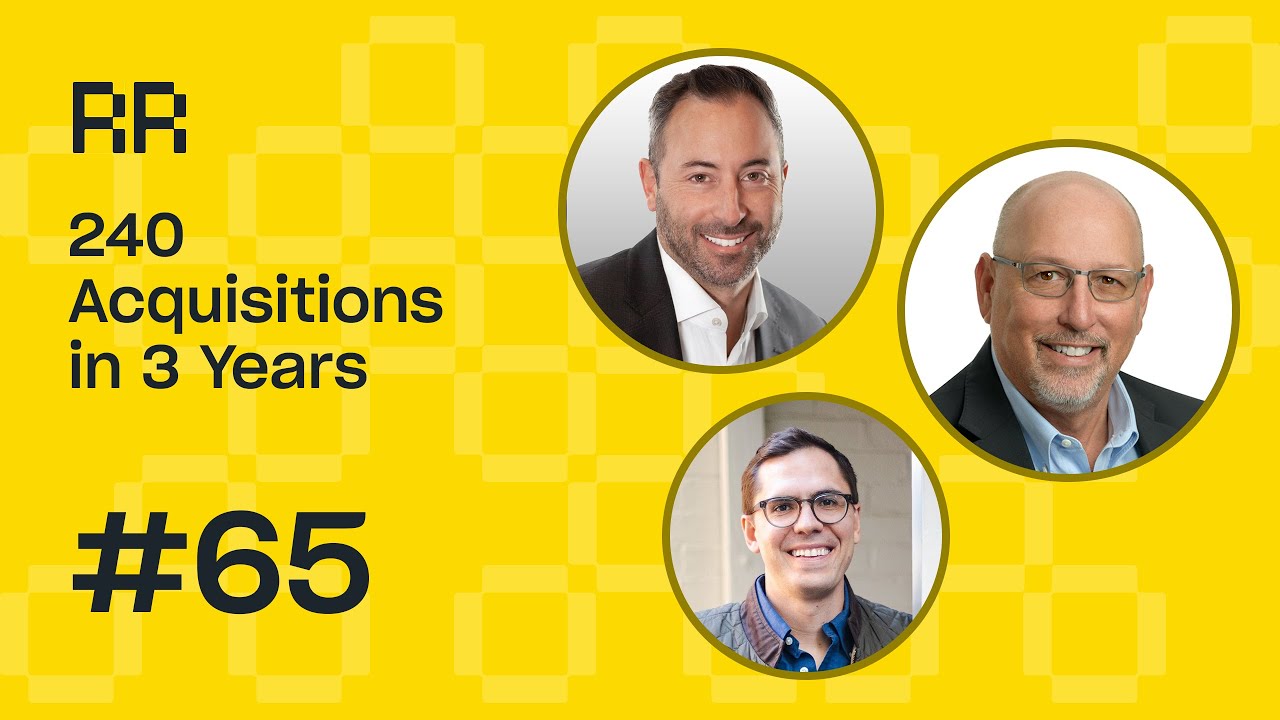
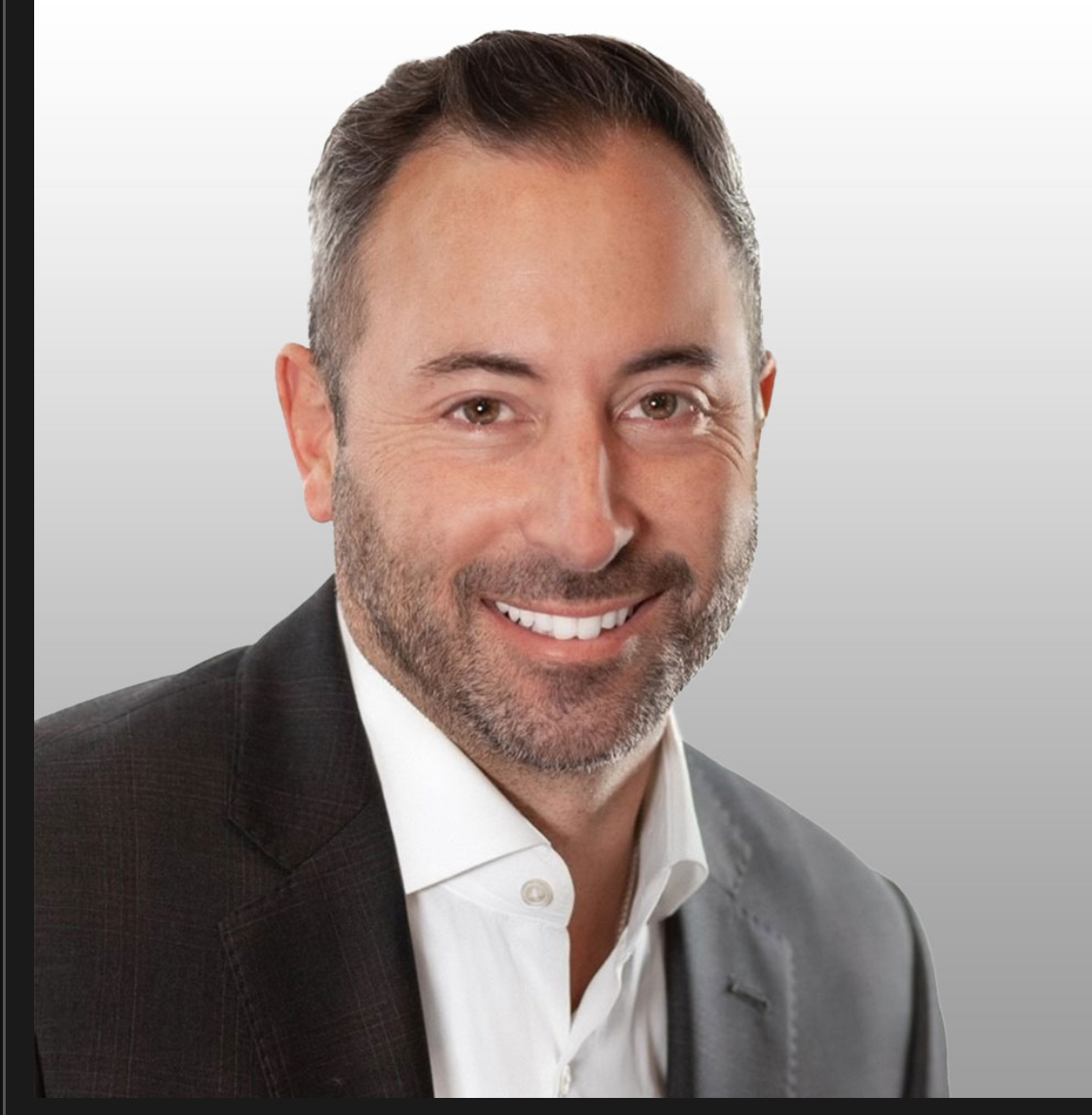
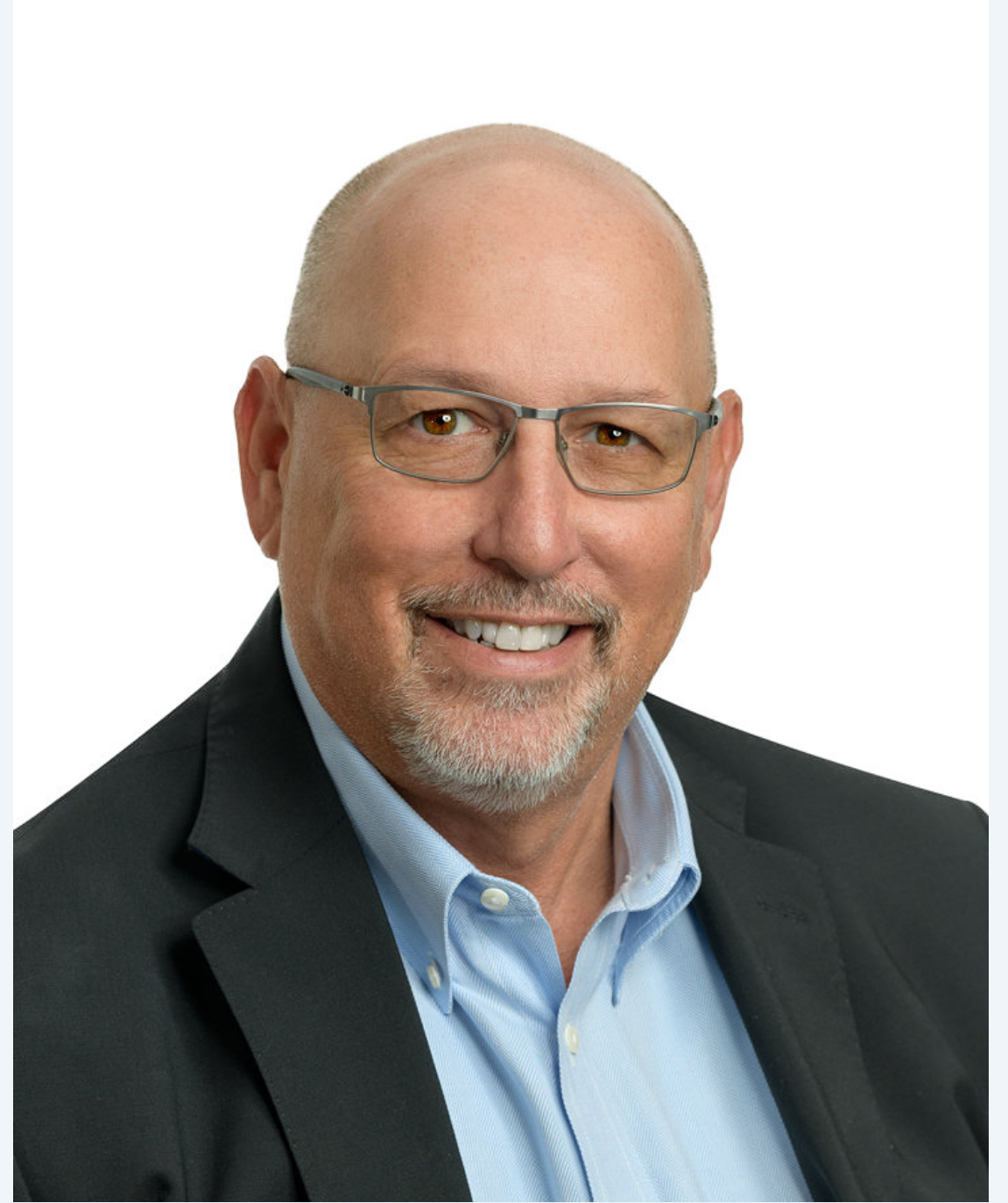
Hey folks, for episode 65 of The Rental Roundtable we had on two guests we had on Joe Condre. He’s one of the co-founders of United Rentals and the CEO and founder of Catalyst Strategic Advisors who helps advise rental companies selling their business. And we had on Josh Moscow, who is a guest, guest number 11, he’s previously had CS Power. He just started at Catalyst Strategic Advisors a few months ago. So, really fun episode. Joe shared some war stories from the initial days starting United Rentals and we talked a lot about the M&A process for an independent rental company. Why people start a rental business, when they should sell it, what should they sell it for? What are the valuation drivers? And it’s a lot of the mistakes that rental companies can make. Talk about the future and the growth of rentals. Talk about technology and how important that is. One of our longer episodes. Really fun episode to have on with Joe and Josh. I think you guys will enjoy this one. Alright everyone, welcome to the Rental Roundtable, episode number 65. We have on Joe Condre and Josh Moscow. Guys, welcome to the show.
Joe Kondrup (00:55):
Hey, good morning. How you doing?
Kyle Clements (00:57):
I should say, Josh, welcome back to the show. You were guest number 11. We used to do these live on Zoom and here we are. We’ve 65, you’ve come back for round two and Josh’s new role as part of this at Catalyst Strategic Advisors. Been there a couple months, and Joe, you’ve been there longer than a couple months, I think almost 20 years as the CEO and founder. So Joe, good to have you on today. This episode’s going to be a lot about rental valuations, buying and selling a rental company. So guys, thanks for coming on today.
Joe Kondrup (01:26):
Thanks for having, yeah, thank you. Thanks. Thanks for having us.
Kyle Clements (01:28):
So Josh’s long background we could talk about if you go back to episode number 11, but I’d love to hear your stories guys. Josh, maybe a briefer one because we’ve covered that in detail. But Joe, for you as well, you have a lot of experience, several decades in the industry, obviously very early as a co-founder of United Rentals as well. So maybe Joe, if you want to start, tell us about your story and how you got here today.
Joe Kondrup (01:50):
Yeah, great. Well thanks again, Kyle, for having us on. So my background and professional career spans four decades now. So I grew up in the waste industry in the eighties and nineties, and then 1997 or 1995 actually I was recruited by Brad Jacobs to join a waste company called United Waste. Worked together there for a couple years and then Brad invited me along with a handful of other folks to join him to start United Rentals. So I’ve been around the rental industry since Labor Day of 1997. So at United Rentals my job was to do acquisitions. So in the first three years at United Rentals we did 240 acquisitions. I did over a hundred of those, personally supervised a bunch of the others. We built a $3 billion platform a little under three years. And then over the years we matured the business added systems technology bought rental man in the early days when systems, I think it was at the time.
Joe Kondrup (02:50):
So we built out the platform. I was with United from day one in 1997 and I was think the last of the founders to leave in 2006. And then I started Catalyst in 2008, the catalyst business. So whatever that is, 17, 18 years now, we focus on working with entrepreneurs that want to pursue a strategic opportunity in their business. Could be to grow and recapitalize, could be to make an acquisition themselves, could be to position for a sale, could be to execute on a sale transaction, could be in response to somebody calling in and saying, Hey, would you have a conversation? So over the last 17 years or so, we’ve handled probably an average of 10 deals a year, some years more, some years less. Last year we completed I think 13 transactions, about 1.3 billion in enterprise value. Our biggest deal was about a little over 250 million. Our smallest was about 20 million. That’s pretty typical for our range. Specialty rental, pump power, temperature control, trend safety, general rental, aerial, and some of the smaller, but also critically important sweeping and lifting gear. And there’s a number of other kind of subsets and specialties. So we kind of work across those areas and our perspective and why I founded this business is I was always really impressed with the entrepreneurs that had the guts and the wherewithal to start these rental businesses and risk their treasure
Joe Kondrup (04:25):
And expend significant amounts of brain power and energy and effort to build them when their time comes to do something strategic. My view is always that, look, I’ve been there, done that. I can help you navigate this because I’ve got a perspective as a buyer. So that’s what I did for the first 30 years of my career, 15, 25 years of my career, I was a buyer of businesses in the waste industry in the rental industry and I thought, you know what? I did a square deal for everybody I ever did a deal for, but when they were unrepresented, which was 99% of the time, they just didn’t have somebody to coach and help them through the process. Catalyst is a team about 25 people, Josh and a number of others that specialize in accounting and transaction services, transaction execution. And what we really focus on is being experts in our sector so that we can add value for our clients. So that’s probably more than you needed, but that’s it.
Kyle Clements (05:23):
Well, we’re going to talk a lot about Catalyst, the rest of the conversation. A lot of people have a lot of respect for United Rentals, obviously the leader in the rental space, you’re one of the co-founders. I got to ask, what was it like in 1997? Did you think it would be the behemoth it turned out to be? Do you have any war stories, any cool insights from what that was like in the very early days you did over a hundred transactions, it sounds like yourself. What was that like back then?
Joe Kondrup (05:47):
It was intense. It was pretty wild. At the peak, I was closing a deal week. And so to do that, you have to have a pretty, you’re always cultivating new relationships and negotiating new letters of intent and working deals through the closing process. But the most interesting thing was is we never started out to be that Herc Hertz at the time best in class. Dan Kaplan, who actually worked with us pretty closely in the early days to help us understand the industry and how he thought about it. Hertz was the big dog at the time. I think they had 250 or 300 million in revenue. And our goal was really to be best in class and to be rewarded for being the best operator. And when we started the business, we thought that scaling power technology, the ability to leverage scale in markets and regionally and nationally, was really something that was latent potential that hadn’t been fully realized in the industry. So when we started out, our goal was to be a solid number two or three or four player over the first five years. And at the time we started you had RSC and you had NES and you had a number of other players that were also acquisitive.
Joe Kondrup (07:03):
And when we got started, we were very pleased and surprised by the response we received because we came to the market with an experience from the waste industry that was very blue collar too. And we were very comfortable in the environment with the rental operators. And so yeah, it was just pretty intense. So I probably got hundreds of stories I could bore you with for hours now, but it exceeded our expectations. And once the momentum built, we went with it. A lot of great people, a lot of people worked really hard. We were blessed to work with a lot of great entrepreneurs that built terrific businesses who trusted us to be stewards of their business going forward. We did a lot of things. We did a lot of things not as good as we could have done ’em, but United after, I think mid two thousands, United went from a serial acquirer. They still are very in acquisitive, but they really have done an amazing job in running just a great business and built a culture and built systems and technology and career opportunity. And so I look at them and I got high regard for all the big companies and the small companies, but the United guys know,
Kyle Clements (08:14):
Yeah, the market leader, I can’t imagine doing one transaction per week. Imagine maybe not a lot of beach vacations at that time in your life.
Joe Kondrup (08:23):
No, not a lot of beach vacations and kids in high school and life. So it was intense on many levels. But one of the anecdotes I’ll share with you was we probably heard once a week from somebody could have been a high profile person in the industry is like, you guys are never going to succeed. You’re going to fall on your face smarter guys than you have done this and good on you have a good time, but you’re going to flop. And when I look at people starting companies today, I never dismiss what they can accomplish in the industry. Because if you organize your balance sheet pretty well and you’ve got a good go to market strategy and you got good people, you, you’re in a good market and you really are being the provider of choice, you can win. So when we were early days, yeah, you guys are going to fail and it’s a house of cards and you’re never going to win. We heard that every week from somebody and we just kept our head down and kept working. Matt Flannery, who I still talk to regularly and wow of the guys over there I worked with back in the day, I talked with ’em and they just do a great job and built a great business. So again, more than you wanted to know, but
Kyle Clements (09:38):
I guess last question, if there’s one thing that led to the success of United, the tremendous success that even exceeded what you even said you thought it would be like in 1997, there’s a hundred variables I’m sure, but there’s one thing that really stood out that led to the success of United. What would you say that was?
Joe Kondrup (09:52):
So I would break it into the formative years where the building was growing rapidly and creating mass. And then the maturing phase that started two thousands probably when the company bought RSC United bought RSC. There’s a break point in there somewhere where the company went from a serial acquire to a really six sigma, kaizen, whatever you want to call it, kind of focused business. It’s been on this long trajectory to be best in class, best in the world. So I’m going to answer the question. In the early days when I was there from 97 to oh six, it was I think kind of three things. It’s not just one thing that stands out. I think one, we were exceptionally aggressive in achieving a move or a mover advantage.
Joe Kondrup (10:41):
Once you buy a great business, like 40 rents in Seattle or power rents in Portland or able equipment, lots and lots of others, you had to leverage those. Achieving a moving or advantage by buying great companies was one moving aggressively to grow those organically in number three being very aggressive in and how you integrated and managed the financial controls. So we were really good at those things. We were less good at a number of other things and a lot of those didn’t get perfected until much later. Go to market strategies, compensation programs, how you share fleet, and a lot of that was technology driven. But I would say our mover advantage and our ability to just see that opportunity and capture it through mover advantage was really the differentiator. And Brad gets the credit for that. Brad was the guy that really was the architect and the visionary and the driver of, go get it, let’s make it happen.
Kyle Clements (11:42):
And being aggressive about that, it reminds me of Uber, I’ve worked there briefly as well. They saw a market opportunity, they were very aggressive and they made some mistakes, et cetera, but they got market share pretty quickly. I think that’s a good lesson. When you have conviction and these moments in life in a market, they’re not open forever, but when they’re open going for it, right?
Joe Kondrup (12:01):
Well, and you’re going to make mistakes, right?
Kyle Clements (12:03):
Yeah.
Joe Kondrup (12:04):
Valuation of business is not perfect. There’s a margin of error that you can operate within and be just fine. You go too high, you can get in trouble, you go too low, you’re not going to get deals done. But seizing that market opportunity, like you say, when it’s available, once it’s gone, it’s gone. Right? And if you buy a great business and you build a great business through a combination acquisitions and organic, how you did it on day one matters less than what you did with it in the first five years, right? Did you preserve the culture? Did you nurture it and build it? Did you energize it with talent and both human capital and financial capital? So yeah, no, Brad was really, and he’s done it with a couple other businesses since. Yeah, it’s a great, exciting, amazing career opportunity for me.
Kyle Clements (12:54):
Yeah. Well thank you for humoring me on the United side. A lot of our listeners would be very interested in some of those insights. Brad’s got a great book, how to make a few billion dollars. I’ve read it, it’s very subtle. Not a hundred billion, a few billion dollars,
Joe Kondrup (13:05):
A few billion. Yeah, it’s just modest. A few billion. Yeah,
Kyle Clements (13:08):
Modest, modest. Just a couple billion, two, three. But Josh, I’ll get to you briefly. I know we’ve done a longer episode, but Josh you want to share your background as well?
Joe Kondrup (13:05):
Yeah, no, thanks again Kyle for having me. It’s great to be back and it’s great to see the podcast kind of flourish and the consistency that you’ve put into it. So thanks for from the industry standpoint, I think just having content and people talking, I think it’s great and hard to follow up after Joe. So I mean, I’ll have to be a little less exciting for the audience. But yeah, 25 years in the space, the majority working for kind of midsize and large rental companies in conjunction with Joe there. I was there 2000 to 2006. We were the first specialty branch, power and HVAC branch in Connecticut, so we were the first branch. So that was my early days at United and seeing things flourish and talking about growth over the next few years and specialty and to see what it’s done since then in the last 25 years.
Joe Kondrup (13:05):
We can get into other stuff on specialty, but I’ve been fortunate enough to travel the globe with rental companies and being an operator. I’ve been on the sales side, biz dev side, fleet side operations, been able to play in a lot of different roles. So really love the industry and been fortunate enough to have been in a lot of roles the last several years working with CS Power being on the buy side, spent the last four years we acquired 15 companies, spent a lot of time on the buy side. And myself, I’ve been fortunate enough to have two exits. One is the software startup and an exit selling a private equity. So I’ve also had the experience on the private equity side as well as the strategic side and publicly traded company sides, a lot of different lenses to look at and super excited to be here at Catalyst and the culmination of all those things to be able to really help rental companies.
Josh Mosko (15:02):
And I’m hyperfocused on specialty from that standpoint. So specialty is really my focus in helping folks with strategy and eventually transaction and building long-term relationships and really network. And so I’m out and about within the industry and just talking to folks and seeing where I can add value and see where Catalyst can add value. And we’ve got a great team at Catalyst, so I’m super excited to have all the reinforcements in the back that all the smart people doing all the modeling and transaction and due diligence. So it’s an exciting time and excited to talk more about the A and all things.
Kyle Clements (15:39):
Exciting time to be in rental. And Josh, you’re right, you are traveling a lot. Every time I see you, I feel like you’re at an airport crossing paths. So I dunno if he’s actually getting on the plane, he may just be hanging around the airport, but I’ve seen him at the airport a couple of times now. So let’s get into the rental side of things. So I guess first question is why do most people start a rental business? What drives someone to take on the capital risk, put in the sweat equity? It’s not an easy thing, it’s not for the faint part. Why do people start a rental business and what should the end game look like if you’re an owner who’re starting a rental business?
Joe Kondrup (16:12):
Well, look, I don’t know why people start rental businesses. They may have some kind of crazy wish to work like a madman for 16 hours a day. But look, I think when you look at the people I’ve worked with acquired businesses from over the years, the reasons are really varied, but it usually just comes out of classic American entrepreneurism where they perceived an opportunity and had the guts to go after it. Some were electrical contractors and knew that they ran a bunch of scissors or fire protection or they were sales reps for one of the big OEMs or we’re in construction trades and saw how much gear was on the job. So people start rental businesses for a variety of reasons. And a lot of the folks we’ve worked with over the years, we sold a company called Ross Rentals and Phoenix several years ago.
Joe Kondrup (16:59):
Ross Richards great guy. He is got a picture of his pickup truck and one little trailer and a 19 foot scissor and that’s how he started his business and bootstrapped it up from there. And that story is repeated over and over and over again. So I think people start ’em for a variety of reasons just to pursue the American dream of entrepreneurship. There’s certainly people that start them more as financial decisions and more as a strategic financial investment opportunity. And it’s kind of across the spectrum. But I think the reason people start business is really kind of driven out of what their lifestyle and end game goal really is. Do I want to work for myself, control my own destiny? Do I want to take that risk? Am I building the business to pass down to my kids or my grandkids? Am I building the business to sell it? Do I want to generate cashflow for the next 5, 10, 20 years and figure out what my exit is? So I think why people started very personal, but it’s largely overwhelmingly driven just by that entrepreneurial drive perceived opportunity. So I think if you talk to people that listen to this podcast and you talk to entrepreneurs or people that you work with every day, Kyle, you’ll get that across the spectrum.
Josh Mosko (18:11):
And I think too, it’s interesting. I mean you see generational now. You see folks that started business 50 plus years ago and it’s generational and that kind of family business, we see a lot of that, right? It’s really exciting to see that. And I think also now you’re seeing a lot of intentional folks that are really looking at rental in terms of how do I grow it, flip it, and really think about it from that standpoint and look at the returns and like Joe said, kind of feed that potential lifestyle and really even in the community, really help support the community and hire people and really build a business. So I think there’s some interesting things that you’re seeing and you’re seeing folks that sell a business and then kind of restart several years later. So it’s really interesting mix, but we really see a lot of intentionality too now with the investment community that are starting businesses and folks like yourself, Kyle, right? Your story, great story with Home Depot and trying to run a piece of equipment. And we see a lot of tech enabled founders now, right? Tech enabled, whether it’s some part of the industry and we’re seeing that more and more. So a lot of exciting reasons to start and it’s served a lot of families and a lot of folks, it’s a great industry.
Kyle Clements (19:30):
It’s almost like I feel like people, why do they start it? Well, they can’t not start it. They have to. It’s in their blood. It’s personal. Every week we meet someone at least every week who’s starting a rental business for the first time. The guy with the trailer. And by the way, a lot of ’em don’t make it to be honest, but the ones who do make it can have amazing stories. And then every month we meet someone, Josh, we talked about this a second time, founder who started the business, they sold it to national, not compete ended, they have to get back. They could sit on the beach, but man, they love this stuff and they come back for the second fight.
Joe Kondrup (20:01):
That’s what they know. No, I would agree with that. And I would say that the thing that most people, if they don’t understand it going in, but they figure it out very quickly, it’s a very capital intense business. There’s just no getting around it. And the ones that don’t make it, or if you study small business formation and growth and survival, a very small percentage of businesses that start make it five years. And I think in capital intense businesses like equipment rental, which is as capital intense as anything, people go into it with the right balance of grit, determination and hustle and enough cash to go a little vendor support relationship with your, they can make it. But yeah, we’ve worked with a number of clients that it wasn’t their first rodeo.
Kyle Clements (20:54):
Yeah, yeah, you’ve got the battle scars and you learn, and software is also capital intensive. 91% of software companies don’t last three years, 96% don’t get to a million. So I know that world, it’s not for the faint of heart. So we talked about why people start a rental business. How do you think about the end game? You’re five years in, 10 years here and you’ve kind of made it past, you’ve crossed the chasm, the point of no return. Do you pass it down to your second generation, third generation? Do you sell it? Do you sell it to a strategic or private equity? How do you think about the end game for an owner?
Joe Kondrup (21:32):
So the ownership end game is really just we find that owners often want to create a succession plan in their business, whether it’s with a child or a key employee. But in order to do that and to eliminate their personal risk personally guaranteeing the debt, they’ve got to create some kind of plan that allows that risk of loss and that transition and that ownership to kind of move forward. And that’s where a lot of those get hung up because even if they pass it down when they go on vacation, they’re still guaranteeing the bank loans, bad things happen and they’re not actively involved in the business day to day. There’s a different kind of risk for them. So the ones that pass the businesses down generationally tend to solve that problem in some form or fashion
Joe Kondrup (22:32):
Through not just passing the business down in name, but creating legal partnership documents or LLC agreements or whatever it is. It really starts to create that transition. But some people don’t want to do that. A lot of people just hear what’s going on with acquisitions and say, well, I’ll just sell it when the time comes and I know this buyer, that buyer or somebody or my phone rings periodically. So a lot of people just assume that when their time’s ready, 5, 10, 15 years down the road, they’ll figure it out then. So I can pause there, but I can add to how that does and doesn’t do it. So Kyle, you started rental business and you say, you know what? I’m going to build it up when I get to 5 million of EBITDA or 10 million of ebitda, I’m going to look to sell it. And the valuation will be between five and a half and six and a half times ebitda and I know it’ll sell at four. And you can do the math around what that will mean to you personally. The reality is that if you watch the stock charts of the publicly traded companies and you watch the stock market and you watch interest rates and you watch just the cyclicality and the economy that we live in, you don’t often get to pick your time.
Joe Kondrup (23:58):
Nobody knew how the industry would soar coming out of COVID after just falling on its face and used equipment, prices went up and new equipment prices went up, and physical and economic utilization went to all time highs. And then as the demand in the economy moderated a little bit, it moderated to where we are today, we’re off the top. And so that affects value. And if you take a look at the white space that the big acquirers United Sunbelt Herc have three years ago, they had a lot of white space today, they have less white space. You’ve got equipment share making moves in the market through organic growth and a variety of acquisitions. You’ve got some super regional players like REIC and ERG and Synergy and a few others. And then you’ve got some regional players. So the timing of your exit, if sale is your objective needs to be thought about over an so that when you look out into the world and you think about the value of your business, who the universe of buyers might be, how that universe affects motivation and interest and value.
Joe Kondrup (25:10):
And then on top of that, are you very passionate about where your people end up or if that’s not as important to you, your universe might be a little different. So one of the things we work a lot with clients on is what are your personal goals? What are your financial goals? What are your lifestyle goals? What’s your timeline look like? And they say, look, I want to sell the business over the next three to five years. Then we always like to engage in that conversation sooner than later so that we can develop what their options would be. Because we can’t just say, okay, we’re going to do it tomorrow. We’re not going to pick up the phone tomorrow and just do it tomorrow. So I think on the exit, whatever that looks like, advanced planning, and it doesn’t need to be 10 years, but if you look at the volume of acquisitions and the value of those acquisitions on a bell curve, the bell curve just kind of ebbs and flows over time.
Joe Kondrup (26:09):
And I could tell you who buyers are for businesses today, I couldn’t tell you who’s going to be buying businesses three years from now. Good news is, and Josh said this earlier, the industry has achieved a level of sophistication, a level of interest and a level of understanding where we’re seeing private capital come into the market, private equity, well-funded entrepreneurs that have friends and family backing or their own personal wealth and the industry is going to continue to grow. When I got into the business with Brad Jacobs in 1997, it was under 20 billion. It’s probably 80 or 90 billion today. The adoption rate in the late nineties was the rental. How much equipment got rented versus owned was 20, 25%. It’s probably 65 70, 70 5% today. So the future’s bright and there will be opportunities, but there’s a bunch of variables that will affect what your exit looks like and when you want to execute on,
Kyle Clements (27:04):
I’ve been, this five years industry was about 60 billion according to a RA, they’re saying 87 billion this year. I mean that’s tremendous growth, right? It’s outpacing GDP plus rental penetration is increasing as well. It does seem like there’s a leveling up though of more sophisticated money coming in private equity, and I think that has a lot of other implications. You mentioned trends and opportunities in rental. What are some of those trends, growth opportunities you guys are seeing right now, especially for an entrepreneur who’s listening and going, I’m a couple years into my business or I’m thinking about starting, what are some of those trends that are happening in the realm space right now?
Joe Kondrup (27:40):
So if you follow the big three and herc and you look at their blueprint of having a very strong and solid specialty offering, creating more sticky relationships with customers through their specialty offerings on power, temperature control, transforming, whatever those things are, the trend that we see is that there’s a great market for your classic general rental business, your classic aerial business. But to really create sticky long-term relationships with customers and be more than just supplemental capacity, they diversify their portfolio. So some of the companies we see that have dirt focus naturally at trench shoring equipment, trench boxes, shield shores, road plates. So the trends really are to be a more sophisticated and one-stop shop. And the specialty rental, as Josh has spent a huge part of his career in there are technical requirements. There are, there’s product knowledge and expertise and application understanding and expertise that really enables the rental provider to differentiate.
Joe Kondrup (29:03):
So it’s not just, Hey, send six 19 foot scissor lifts, 10 guys can do that. But if you say, look, I need some scissor lifts and I need some temperature control and we need to make sure that we’re not only controlling the climate but humidity because we’re doing drywall and we need to dry and do all that. So the trend really is to be that one-stop shop. The ability to do that really depends on your capital availability, capital and your balance sheet, your ability to track talent, to have people that can really deliver those service solutions. Now, I think that’s the overarching trend that and technology mean, technology is just unbelievable. And when we started out, we had wind systems rental man, but that was stone age compared to what exists today.
Josh Mosko (29:48):
Yeah, I think Joe summed it up really good. It’s interesting. I always think and tell the story at United Rentals, in the beginning days when we basically measured stuff, we’d look out in the yard and say, is it empty or is it full? And that would be the barometer of how we were doing it really, or we really weren’t thinking like that in the beginning. But the metrics obviously have come in a huge play and dashboarding and all the technology. And I think with telematics too, and equipment and data and all the information, obviously making it actionable is a big part of it. And as Joe said, I mean if you listen to the investor call at United Rentals the other day, they said 40% is driven by specialty now in their business. So I mean it’s just a massive number. 40% of the behemoth is specialties.
Josh Mosko (30:33):
And I think it’s really that engineered solution is part of it, as we talked about a little bit. It’s people, but it’s really engineering the solution for the customer in terms of sizing and really kind of the application based. It’s not that commodity like Joe said, of just scissor lift, give me five scissor lifts type of thing. This is an engineered solution. It’s driving value and minimizing downtime. And I think now you’re seeing also the mega projects. I mean a massive amount of infrastructure and data centers and the projects that are out there. So I think that’s been a trend the last few years of really some of these mega projects and the amount of, let’s say power and cooling for some of these data centers and kind of keeping ’em with the specialty theme. I mean it just, there’s a massive amount of projects, large projects going on.
Josh Mosko (31:24):
So really interesting. And obviously sustainability is one of those things too in terms of, I want to even call it a trend but’s, definitely the tier emissions with anything kind of engine driven. You have a lot of different things that are kind of geared when you’re thinking about sustainability and the footprint on some of these projects. So a lot of interesting things that have happened. And then I think one more thing that comes to mind too is just all the accessories that come with the equipment. Not just the equipment, but your rent cable and distribution and ducting and attachments and all the other things. So really interested. And I think a lot of the reason why is we were talking about market penetration and rental penetration. The rental companies do it really well and they’ve gotten better over the years. So why am I, as the owner going to think about owning all this equipment and moving around to jobs in different states and regions and all that when you have a lot of rental companies that have done a really good job at it. So I think all the things they’ve kind of culminated to where it’s at. And yeah, there’s still a lot of upside. If you look at Europe and you look at Japan, really mature markets, you see what they’ve done with rental penetration. So I think the next several years are got a lot of growth. So yeah, exciting times.
Kyle Clements (32:43):
Yeah, Josh, I’m thinking about the days of people looking at try to see what their utilization is and they don’t have the computer program. They’re looking out, I think it’s 50%. Our previous guest right before this episode is a big Oakland Athletics fan. I know Josh here, Yankees fan,
Joe Kondrup (32:58):
Moneyball,
Kyle Clements (32:59):
Moneyball, Moneyball. So he had lunch with Billy Bean and Billy Bean said that when they interviewed people, if they found out you were a sports fan, they wouldn’t hire you because they want a pure objective analytic quant people. Because if you’re a fan, you may go Jambi, I like him, I’m going to give him a little extra bumps. So it was like an extreme version of we’re going to run by metrics and analytics. And I think that’s sort of where the industry is moving a little bit more. It’s becoming more, you got people who love construction equipment and they love being out there, but you have this financial sort of persona and they’re just running their business on numbers and spreadsheets, and I think you can be successful that way.
Josh Mosko (33:34):
A hundred percent, a hundred percent. I’d be remiss if we didn’t just talk about the AI topic for a second as well. I mean in terms of the trends and what’s happening, and we talked about it before the call a little bit in terms of just what can you do with AI to take all that data and information and make it actionable, whether it’s with your fleet, your workforce, damage detection, whatever it is. So it’s just really interesting to see where AI has come the last five years I was involved with AI in the early stages with the damage detection and to see what’s going on with all the software and what you guys are doing, Kyle, and some things that are coming in the industry, it’s a game changer. It’s cliche to say game changer, but I think in this instance there’s some interesting things that’ll develop with AI and just taking all that data and make it actionable. So it’ll be interesting to watch,
Kyle Clements (34:26):
And I mean my wife is, there’d be like, oh, stop talking about ai. So I will limit myself. We could have a whole separate episode. This is what I think about every day. I do think AI game changer put it lightly. I think what’s going to happen is you have these agents that are actually doing work that wasn’t being done. For example, one example, you get all these phone calls that come in every day and you’re trying to log Ms. Reynolds today, AI can listen to that, transcribe it, give you all these analytics. And by the way, I’m not saying this should happen, but it’s happening. You guys have probably talked to ai, voice agents haven’t realized that you can talk to some people and negotiate rates. I mean, you could think about where the industry could go. I’m not saying it should or will, but it may look very different in five years.
Joe Kondrup (35:06):
Yeah, I think that’s very true. And I think that the way I think about the industry is, and this is probably a little off topic, but as a rental company, you’re essentially a bank and your currency is equipment, right? You’re trying to generate a return on that invested capital. It represents itself in iron, right? S lifts, boom lifts, backhoes, skid steers, whatever. And the ability to drive efficiency and profitability and reduce risk in your balance sheet through technology. If I’m an operator that has a $50 million fleet or a hundred million dollars fleet, I’m going to find every tool I can find to de-risk my balance sheet so that I not necessarily can, sure, I’d love to be more profitable. But the one thing we see more often than anything is operators, as you were saying, Kyle, they’ve seated the pants, they look out in the yard. Well, we’re doing pretty good. I don’t see a lot of gear. And the reality is that when we work with clients, one of the first things we do is we get a buy unit downloaded to their fleet and their physical and dollar utilization and look at stuff that’s been on rent less than 10% of the time or not at all. And we were looking at a deal the other day, A company had a $30 million fleet and they had 7 million a fleet that hadn’t rented. And for one day in all of 2024,
Kyle Clements (36:28):
Did they know that?
Joe Kondrup (36:30):
No, they didn’t know it until we asked the question and we extracted the data. So I think that’s a really nice business, and they do very well and they’ve got a 50 plus percent EBITDA margin. We see that all the time. And I think that the migration towards, as generationally as guys, you guys as age, not my age, that grew up with a different level of technology, are using AI and other technology tools to really manage their business more productively, manage your balance sheet that’s going to continue to transform and make the business the industry better.
Kyle Clements (37:03):
And Joe, you were telling me about when you started United Rentals. I was in elementary school, so technology has changed a lot. I think one of the things, I sort of loosely talked about this on ai, these agents here, but agentic technology, but reality is you have all these business systems out there, rental management systems, you have all this data and you can spend all day looking at it and you’re still going to miss things. But what these agents, what they can do is they’re smarter than us. They don’t take cigarette breaks and they don’t ask for raises, and they work 24 7, and they should be able to tell you, Hey, you’ve got 7 million a fleet that hasn’t been rented a single day in 2024 and put that top of your inbox. Those are the very low hanging fruits stuff that’s going to exist. It’s happening right now, I think even by 2026, that’s just going to become table stakes. I think what happens is you become way more efficient and profitable. And if you’re not using technology, I think the gap of where technology was and where it’s going, you’re going to be left behind within a matter of months or years.
Joe Kondrup (37:58):
And I couldn’t agree more. And I think there are a hundred other impacts that I think technology will influence that. Like you said, if you’re not on board, you’re going to get smoked because 2, 3, 4, 5 years down the road, if you’re still doing it off the clipboard in the yard, you’re just cooked, right? Because the world’s going to be light years ahead of you.
Kyle Clements (38:22):
On the M&A side. When you think about the valuation drivers, I guess, what are the things that help determine what a rental business is worth? Number one subtext is technology adoption. Is that part of this as, so you have rental business A who is on paper and clipboards and it’s super outdated, operation B, same exact metrics, but they’re in the latest cutting edge technology and they’ve got telematics and the whole system’s integrated. First question is what are the valuation drivers for a rental business? And number two is technology adoption part of that at all part of that equation?
Joe Kondrup (38:55):
Okay, so on the second question, yes, so I’ll answer this question with kind of the arc of time in mind and the drivers of value, ebb and flow today versus next week versus next month versus next year, based on who are the buyers and what’s their motivation? Are they filling white space? Do they have a mandate? They’re generated a ton of cash, they got to reinvest and find ways to grow. They’ve got to take capacity out of markets because growing organically is great, but Dallas can only absorb so much rental fleet. So if you just keep throwing fleet in there, you’re going to dilute rates. So at some point you got to take capacity out of the market through acquisitions. But what are the value drivers of a general or specialty rental business? It’s really just good, well-rounded fundamentals, okay, customers, right? Not too much concentration, not too small, not too big.
Joe Kondrup (39:57):
Good revenue history. You acquire that customer, you build on that relationship, you can show a trend of revenue with that customer over years that says, we landed it here and over the last 5, 6, 7 years, we’ve built a relationship. So customers, people, those people, technicians, truck drivers, fleet, your management, proactively, you’re paying attention to your fleet metrics on what’s renting and how the rates and ROI profile is not too old, not too young. We don’t want to see a 20 month old fleet. We don’t want to see an 80 month old fleet, 40, 45 months, and it can move here and there. Customers, people, facilities, are the facilities sufficient to run the operation well, maintained a good proximity to market. You’ve got the right coverage in the market to handle logistics properly. And then the market you’re in, are you in a hot market? Are you exposed to some of these mega projects?
Joe Kondrup (40:50):
Can you tap into infrastructure projects or big data centers? So there are great business in small markets that do tremendously well, but you’re probably not going to get a lot of buyer interest in a small market of 25,000 people, even though you might have a great rental business that serves a 50 mile radius. So the markets you serve, and if you look at the, and we maintain data on all this, how many locations each the top Cat United have in the top 100 actually all MSAs. And we track their penetration based on number of locations and we do some math around that. So it’s really, for me, it’s five things and it’s really a fully formed well-run business. When somebody looks at and says, those guys do a good job. They know what they’re doing. They’re players, customers, people, fleet, facilities in the markets. And the market may be the most important one of all because the universe of investors in rental, they’re just going to be more excited about
Joe Kondrup (42:01):
As far as tech adoption, influencing value, absolutely right, tech adoption and I would say implementation and application, not just, we got it, we don’t know what to do with it, but we got it. It’s really the cornerstone of how we run our business and we have a human factor and we have to make judgements, but we’re watching this data every day and we’re driving the performance and managing our fleet and organizing our sales team and how they pursue opportunity and how we’re responding to customer service. So a hundred percent now, private equity buyers will look at that technology as a standalone platform, as something they can leverage to grow and make the business more profitable. Strategic buyers will look at that technology as, okay, this business will assimilate. We use something different, but it does the same things. So while we might not maintain this technology, the people coming across understand how to operate in this environment and because they do, that’s a good fit for us.
Joe Kondrup (43:00):
We don’t have a science project to integrate this business. So I might add on what drives is integration. We’ve seen a lot of deals where it affects both buyer interest and value. If the business has lagged in terms of any of those factors, including technology, and the buyer looks at it and says, we don’t have time for a science project here. We don’t have time for fixer upper. So just a fully formed well run business doesn’t need to be the most glitzy thing in the world, doesn’t need to be the sexiest thing in the world. Just people, you look at it and say, those guys got it going. Now when we do the math to figure out how all those things influence value, it can get pretty complicated. And when we are working with our clients and the potential buyers, we go to great lengths to bring those kind of features and attributes out in a way that really allows the potential investor and the potential venture buyer to fully understand and appreciate it as opposed to just coming to their own conclusion.
Josh Mosko (44:04):
I think as well, I think Joe hit on a lot of good points. I think when we talked about how we engage people, obviously years ahead of time too, we can look at the current state of the business and talk about when they’re looking to exit or talk about future state one year, two year, three years, whatever it is. And maybe they need to modify what they’re doing. A little bit too is we talked about fleet for example. Is it getting into new markets, new market verticals, new customers using technology, putting the right team in place? Do you have the right management team? Obviously the people side of it is huge, especially if you are going to a investor base, private equity type of company to have a good management team in place that can scale the business, can they take it to the next level as part of it?
Josh Mosko (44:50):
And then, yeah, do you have contracts with customers, recurring type of revenue, those types of things. So you see more of that in terms of what the opportunity is to be sticky with the customers and add all those kind of bundled solutions. So yeah, it’s a lot of different things that’ll kind of move the number in a range. And on specialty, obviously you’re getting some higher multiples too, right? You’re getting a couple different turns more than kind of that gen rent space. I mean in terms of there’s just not a lot of those fully formed businesses and specialty that you can acquire. They’re a hot commodity. And the people that operate those and the people that really understand those engineered solutions, those are coveted kind of folks. Specialty kind of demands a bit more higher multiple from that standpoint. And yeah, there’s a lot to think about and lot to look at. And that’s really what we do at Catalyst to look at that business and really help and guide too, to make some modifications and really get that maximum value when it does come time to transact. So
Kyle Clements (46:04):
Yeah, on the technology piece, I think you guys made a good point. The buyer may not be on the same platform you’re on, but the most important thing is you’re using a platform and you make it ding because of that. You don’t want to have to train someone on, Hey, here’s why you need to handle the rental contracts and the software, and here’s how you look at utilization. They already know that. And where the button is on the screen may change, but they’re sort of embracing technology. Time has been flying. We’re almost out of time here. I got two final questions. I guess first question is, if I’m a rental owner listening to this, I’ve heard of Catalyst and appreciate everything you guys do for the industry. Why should I sell my rental business?
Joe Kondrup (46:38):
Why? It’s very personal. It’s just lifestyle, risk, reward, and everybody’s got their own perspective, but your business is an investment like anything else. If you bought a hundred shares of Apple or pick any public company and there’s a time to create, there’s a time to build value, there’s a time to harvest value. And when people need to harvest value, there’s a couple, three or four ways you can do it. You can go to the bank and recapitalize your business and borrow a bunch of money and leverage your business up and do a distribution and keep owning your business, have that, but you have to repay that debt. You can bring in a partner that can monetize some of your business or a very high percentage, or you can sell it to a strategic, but why is really just harvesting the equity value that you’ve created over a period of years or a lifetime or generations.
Joe Kondrup (47:38):
None of us know what the stock market’s going to do tomorrow. None of us know what interest rates are going to do tomorrow. And why sell your business is as basic as how do you manage the financial and lifestyle risks and rewards in your personal life? But that’s different for everybody. Some people have set goals that say, look, when I get here, I’m ready. Or I’ve got five more years, or I don’t know. I don’t play golf. I don’t know what I do with myself. But the why is just really personal and it just really comes down to how you harvest that equity value and when you harvest it to align with your life.
Josh Mosko (48:11):
Yeah, some of the things I would say too, it’s super interesting talking to folks on all sides in terms of on the buy side or sell side, in terms of mitigating risk, like Joe pointed out a bit at some point the world’s changing things could happen, a COVID can happen, things can happen where the world changes on a dime. So I think taking some chips off the table is something that people think about is obviously a reason that the age of the ownership transition from there. What happens from a health standpoint, I was working with a company where the owner didn’t want to sell, but all of a sudden he had a real health scare and he’s like, wow, what’s my business going to be worth if I’m gone or what’s my family going to do type of thing. So I think there’s a lot of those kind of thoughts that go into it.
Josh Mosko (49:05):
And then I think the other interesting thing is that I think from a deal structure standpoint, you see a lot more options out there when you bring in the investor community, when you can roll over equity or do some other things. It doesn’t have to be just all or nothing in terms of just selling a hundred percent of your business. And what we’ve seen a lot too is that some of those folks who get a couple bites of the apple, they may retain a certain percentage and they may make more money on the second turn or the third turn. So there’s some interesting opportunities now I think that didn’t exist as much before. So I think there’s a lot of different ways you can kind of, paths you can go down in terms of the why and the when and the how and all those things. So I think that’s something obviously that we talk about and folks are starting to think about a little more and are getting more educated on it. I think a lot of people, this is their first time and maybe only time in their life selling the business. It’s a huge deal. It’s transformational. It could be generational wealth, whatever it is. So a lot goes into it. But yeah, there’s a lot of good discussions around the why.
Joe Kondrup (50:10):
So Colin, I don’t know your last question. I think the bigger question is when do you sell your business?
Kyle Clements (50:14):
When do you sell it?
Joe Kondrup (50:15):
There’s a great,
Kyle Clements (50:18):
I was going to ask one other question. The other part of this, when do you not sell it? When is the wrong time to sell it? What is the wrong driver to sell it sort of thing? That’s sometimes even more informative.
Joe Kondrup (50:28):
So when not to sell it, when not to sell, it is not necessarily ringing a trough for when you’re in a crisis. I would say just when the economy around you is in a crisis, but that’s not a hard and fast rule. The world could change and be upended in ways where you don’t have a choice. So the key to having flexibility on when you sell or when not to sell is your balance sheet. Okay.
Joe Kondrup (51:00):
So if you go back to the early days when we at United Rentals started in the business, the financial community stock market really hadn’t figured out rental and didn’t understand it and the capital intensity and replacement capital. But look, you’ve got two and a half turns of leverage, two times two and a half times EBITDA of debt on your balance sheet, and you’ve got ability to take a blow and have some diminished utilization and you can still take care of your business and you can size as you need to. So I would say the time not to sell is when you’re in a dip or something that you’re perfectly capable and healthy to ride through
Joe Kondrup (51:43):
When sell the fallacy and when to sell is, well, I’ll be ready in two years and I know what multiples are. The values are, I’ll just X times Y. We’ll see where I got 5 million EBITDAs today and I can get six times for that. And when I get to 10, I’ll get six times that. Well, if you look at the trading multiples of the public companies, they go as high as 8, 9, 10, 12 times down to four and a half, five times and applying the X times Y equals Z. Math is a big fallacy because by the time you get to 10 million of ebitda, instead of getting six and a half times, maybe it’s five and a quarter times and your fleet’s a little younger and your debt’s a little higher and your equity value isn’t as good, and the return on invested capital and the commercial risk you encountered to get there didn’t really generate a return for you, kind of the money ball.
Joe Kondrup (52:36):
So if you’re building your business just to make a financial decision and exit, what you really need to think about is the risk-reward profile from that point to your exit point and what you need to do to manage it to actually increase your equity value, generate a return on the capital you invest. So I think one of the biggest fallacies we encounter is, well, I’m not ready and I just want to wait to hear because my equity value is going to go up. I’m like, do you really have a plan to make sure that you’re actually getting that incremental improvement in your equity value? And you really have a plan to make sure you’re managing to that. And the other thing we tell people is, look, we know who the buyers are today. We knew who they were six months ago or a year ago. We have no idea who they’ll be six months from now or what the world around us will look like. So what you need to do is think about, look, I would like my exit to be in this window of time, and then we need to plan for timing within that window, and that window could be a couple year period.
Joe Kondrup (53:40):
Anyway, a lot of variables. We spend a lot, we often meet with clients 3, 5, 7, 10 times before they get familiar enough with us and we know enough about their situation to talk seriously about when they want to hire us or somebody like us, and then our planning and service cycle with them. We’ve worked with clients six months and gotten a deal done, and we’re working with a client right now. We’ve worked with for over 10 years who when we started, was in his mid forties and now he’s in his mid fifties. Now’s his time. So when and the how they move together,
Kyle Clements (54:20):
Well the future is uncertain. And I think it takes a lot of humility to know that and to say, yeah, I can have this chart about how it’s going to be straight up and to the right and everything in the world. It’s never going to rain. It’s going to be perfectly sunny every day. That’s not the world we live in. And I think having some flexibility and some humility in that is important. Right. Well it’s been awesome having you guys. I think it’s been our longest episode. We could go another hour. I’m sure Josh has got another flight to catch. He’s always traveling. So I’ll wrap up with my closing question I ask every guest. I’ll start with you, Josh, best career advice you’ve gotten that’s helped shape your success. Anything you want to say Josh? Then we’ll turn it to Joe.
Josh Mosko (54:53):
Yeah, I would say it’s an interesting question. I think I was taught at a young age to learn everything about the business and that served me well because I started out in the field and really from a hands-on standpoint, setting up equipment and all that. And like I mentioned before, being in all aspects of the business and learning the metrics and learning the financial side and all that. So I think for me it was being well-rounded to really understand all aspects of the business. And then if I’m managing people, I’m not asking people to do things that I haven’t done in the past. I think that’s served me well and I think that served me well moving forward and talking to owners and folks who are operating businesses that are looking for some advice and looking to figure out how to scale. Right. So yeah, that would be my first thought. Great.
Joe Kondrup (55:45):
Joe, I don’t know if this is wisdom or not, but Pretty good. Ain’t good enough. Okay. And be the person. Be that your coworkers, your boss, or your customers want to work with because you solve problems and you make their life better. If you do that, you’ll succeed every time.
Kyle Clements (56:04):
I like that. Pretty good. Isn’t good enough. Thinking about that bumper sticker. Be the person your dog thinks you are. Live to hire. But that’s great. I think a lot of people settle for good enough and I think we all can do better. So it was awesome.
Joe Kondrup (56:19):
Yeah, I’m not good enough now. Every day I’m better, right. It’s a life pursuit. But yeah, that was the advice my dear old dad gave me as a junior. You’re pretty good, ain’t good enough. Everybody I work with is like, look, just be the person people want to go to because you just make their life better.
Kyle Clements (56:40):
And on the growth mindset side of things, one of my mentors has told me, he’s like, Kyle, you’re not the CEO you need to be in a year. And I get there in a year and I’m still not the CEO I need to be the next year. And I think that’s constantly chasing better. Right. So it’s been fun having you guys on we’ll do another one here in the future.
Joe Kondrup (56:58):
Anytime, let us know.
Kyle Clements (56:59):
Thanks again.
Joe Kondrup (56:59):
And if you’re getting into a specific topic, just let us know. We’d love to join you sometime. Yeah. Awesome.
Kyle Clements (57:04):
Alright. Thanks, guys. See you.