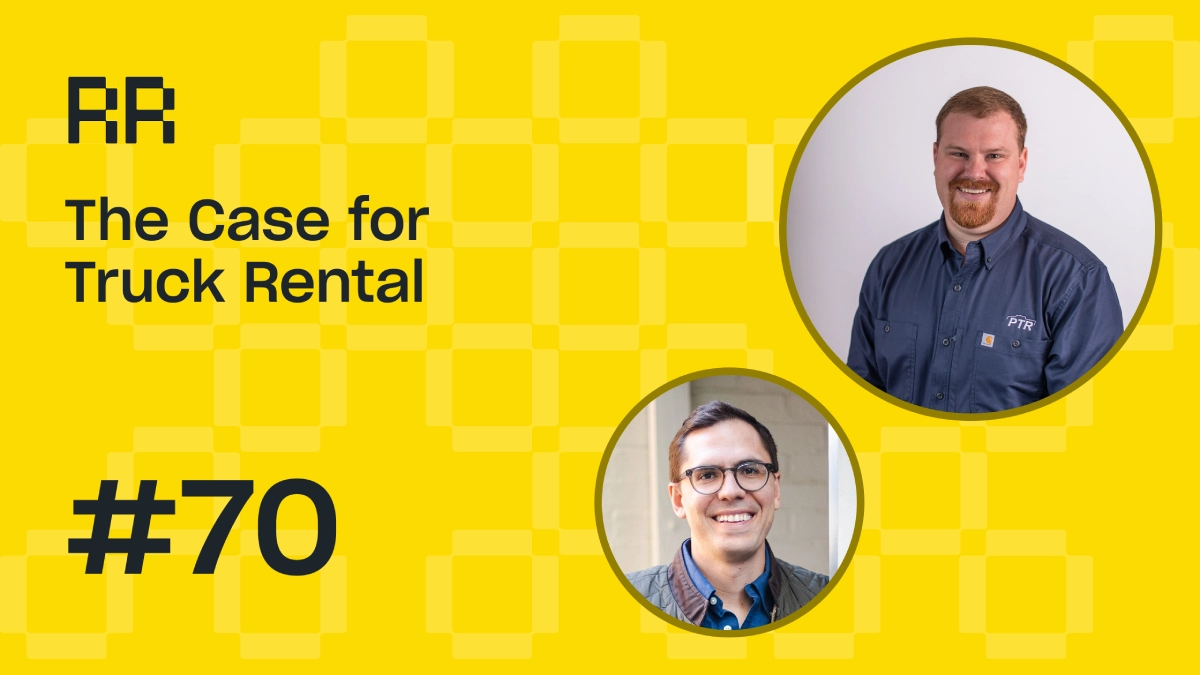
Kyle Clements (00:00):
Hey folks for episode 70 of The Rental Roundtable we had on Chris Keys. He is a territory manager at Premier Truck Rental. This is a really interesting episode. I honestly didn’t know much about truck rental and this company is killing it. They’ve gone from zero to 300 employees and zero to 15,000 trucks nationwide in the last 11 years. You can tell how excited Chris is working there. He has a career in rentals, rental manager working with manufacturers over 10 years in the rental space. Very interesting niche business on the truck rental side, which I thought was really cool. We talked about the data center boom, that’s happening. We talked about one company in particular that has got 76 data centers they’re building right now and they think it’ll be a thousand in the next 10 years. This AI boom that’s ultimately going to drive a lot of construction and building was a very interesting topic and talk about culture that they have there and how they’re extremely transparent. They push decisions really far down in the decision tree, down to the bottom levels of the organization and how ultimately you get better results that way. So really cool little niche business they have. I say little, it’s a big business, but a niche industry of the rental side. Hope you guys enjoy. Alright everyone, welcome to the rental round table. Episode number 70 we have on Chris Keys. He’s the regional territory manager at Premier Truck Rental. He’s based in Arkansas. Chris, welcome to the show today.
Chris Keys (01:13):
Hey Kyle, thanks for having me. I really appreciate it.
Kyle Clements (01:16):
So I’m counting on you for referral because I brought on Jake Rockefeller and he referred me to Dave Timone and Dave has referred me to you, Chris. So we got to keep the train moving here. So at the end of this episode, I look for a referral of someone else we should bring on the podcast.
Chris Keys (01:29):
Today. Yeah, sure. I think I’ve got a couple good ones for you.
Kyle Clements (01:32):
Yeah, well, it’s excited to have you on today. You have an interesting background where you’ve sort of touched different aspects of a rental company. So you started as a rental manager, you worked on the manufacturing side of things. You’re now renting trucks to job sites as well. So I’ll always love to start these podcasts to hear about people’s stories. I think they’re so interesting. How did you first get into rental and kind of walk me through the last, I don’t know, 10, 15 years of your career, how did you get here today?
Chris Keys (02:01):
Yeah, so just kind of one of those things where you run into people and things just kind of trickle from there. So straight out of college, moved to Missouri with my wife and got a job in the rental industry. So started as a rental manager. Actually worked with Dave back in the day. I think it was like 2015 when I started. So did my years there. Really enjoyed the rental business. We took a nonprofitable rental department, made it profitable, grew it, so it was a lot of fun. Did a lot of heavy iron, did compact equipment mainly on a local market, but then started to reach out with different product lines and we got a little farther out. So kind of got a taste of the pipeline business in that. And then we were looking to move back and manufacturer reached out to me and said, Hey, would you be interested in coming to work for us since you’re leaving anyway?
Chris Keys (03:04):
And I absolutely said went to Tarmac, was a regional sales manager for them for four years, covered 10 states, covered seven mainline dealers with Komatsu do saw and Bobcat some specialty rental houses. And then another thing, one thing led to another and had Premier Truck Rental reached out and they were trying to grow their footprint in Missouri, Arkansas, Louisiana and Mississippi. Had some pretty strong connections in relationships there and so decided to take a chance. Didn’t know anything about truck rentals at the time. Didn’t know who rented, didn’t even know people rented trucks in the construction industry. Come to find out, man, was I very clueless for being in the industry that long. So it was interesting and I’ve enjoyed it. I love working with customers and look forward to doing it for a few more years at least.
Kyle Clements (04:04):
Yeah. So you’ve been around rental or in rental directly for about 10 years. How’d you first get plugged into that first rental manager job in Missouri? What turns you onto that? Did you have family in the rental industry? I’m always, it turns out people even hear about this space because not everybody even knows it exists, right?
Chris Keys (04:20):
Sure, sure. Yeah. And I didn’t realize it was as big as it was when I was coming out of college. So I grew up with an ag background, got a ag business degree from Arkansas Tech and loved farming, been around equipment all my life and I was like, yeah, I think I want to go stay around equipment. I enjoy it. I love everything to do with it. So when we figured out we were moving to Missouri, I just started looking at every equipment dealer I could and started applying and just through websites, didn’t know anything, didn’t know anybody. So I had a guy that gave me a chance. He waited six months to hire me, which I thought was wild so I could finish college and happy it happened. It was a great time. So
Kyle Clements (05:07):
Yeah. So you sounds like you loved equipment, farming, et cetera. Yeah, I tell people what I do is we’re vertical software for equipment rental companies and the first question goes, what’s an equipment rental company? Normal people off the street. And I have to say, well, you go to a job site, you see all the construction on there. Well, 60% of that equipment is usually rented and the companies that rent that equipment, that’s a rental company. So I didn’t even know this existed 65 6 years ago, to be honest. It’s a huge industry at 80 billion in the US and the average person doesn’t even realize that there’s 10,000 rental companies in the US that do this stuff. So that’s why I always ask how people get into it. I think once people are exposed to it, people just, it’s sticky. You’re just there. It sticks to you.
Chris Keys (05:51):
Yeah, it’s kind of hard to get out of it. I feel like I loved it when I got in it and I was like, well, I guess I’m going back to it.
Kyle Clements (05:59):
You don’t really hear many people who get in and leave. Well, if they do, it’s within the first three months you realize a lot of hard work, a lot of grit, a lot of early mornings, a lot of customer calls, and that’s not for everybody, but I think it weeds people out pretty early on.
Chris Keys (06:15):
Yeah. I never forget when I first started being on the rental manager side, it was the art of tough conversations and you hated to break it. But at the end of the day, we’re all just people. And sometimes if you tear stuff off, well, we’ve got to talk about it and there’s people that get mad, but that was one of the biggest challenges that I saw when I came into the industry
Kyle Clements (06:41):
Was having to have the direct conversations with the customers when it was usually around broken equipment or damaged equipment typically.
Chris Keys (06:47):
Yeah. Yeah. And I think it is something you kind of have to learn. I mean, you have a personal relationship with a lot of guys, but it’s like when somebody throws a $20,000 bill in front of you and say, Hey man, you owe me $20,000. Nobody wants to have that conversation. It’s not going to go pleasantly usually
Kyle Clements (07:04):
10 years later. Has that gotten any easier to have those conversations?
Chris Keys (07:08):
Yeah, in a way. So there’s still ones you cringe, but you learn to do your due diligence and then you just have to realize that everybody’s human, I didn’t tear up the equipment, but at the end of the day it’s business and we have to discuss it like a partnership. This is not a transactional thing. And then you just kind of move on,
Kyle Clements (07:33):
Which is why you have to have the signed rental contract and the damage WA and all that stuff. So pull it out, look, you signed this, you said you’re going to do it. If you’re not executing on a high level, you maybe didn’t get the signed contract that create other exposure, but if someone agreed to do something and they signed it, you’re just holding everyone accountable to what we all agreed to. And I think sometimes 1% of the people are just going to be bad people and they’re going to say, I didn’t do it, and they’re going to fight you, but most people aren’t that right. Most people are going to say, yep, I did that. It’s a awkward conversation, but they’re going to do the right
Chris Keys (08:04):
Thing. Right? And you’ve got that sign rental agreement and Lord knows you hope you never have to pull it, right? So I mean, if you actually have to pull that out of the box, it’s a bad day. And my career have very rarely ever had to refer to a sign contract. So
Kyle Clements (08:24):
I totally agree. We have that for us, for the software side, I’ve told our team, if we ever have to pull out the contract, we’re already in a bad spot. That means trust is broken. The contract is mostly a formality to signify that it’s a virtual handshake.
Kyle Clements (08:37):
You’re actually pulling the contract out, you’re 15 levels deep into broken stuff, broken relationships, broken trust. So it’s the same way. It’s just there as a insurance policy, worst case scenario, but long term you don’t really want to get in that behavior of, Hey, you said this in the fine print. Right?
Chris Keys (08:52):
No. Yeah.
Kyle Clements (08:52):
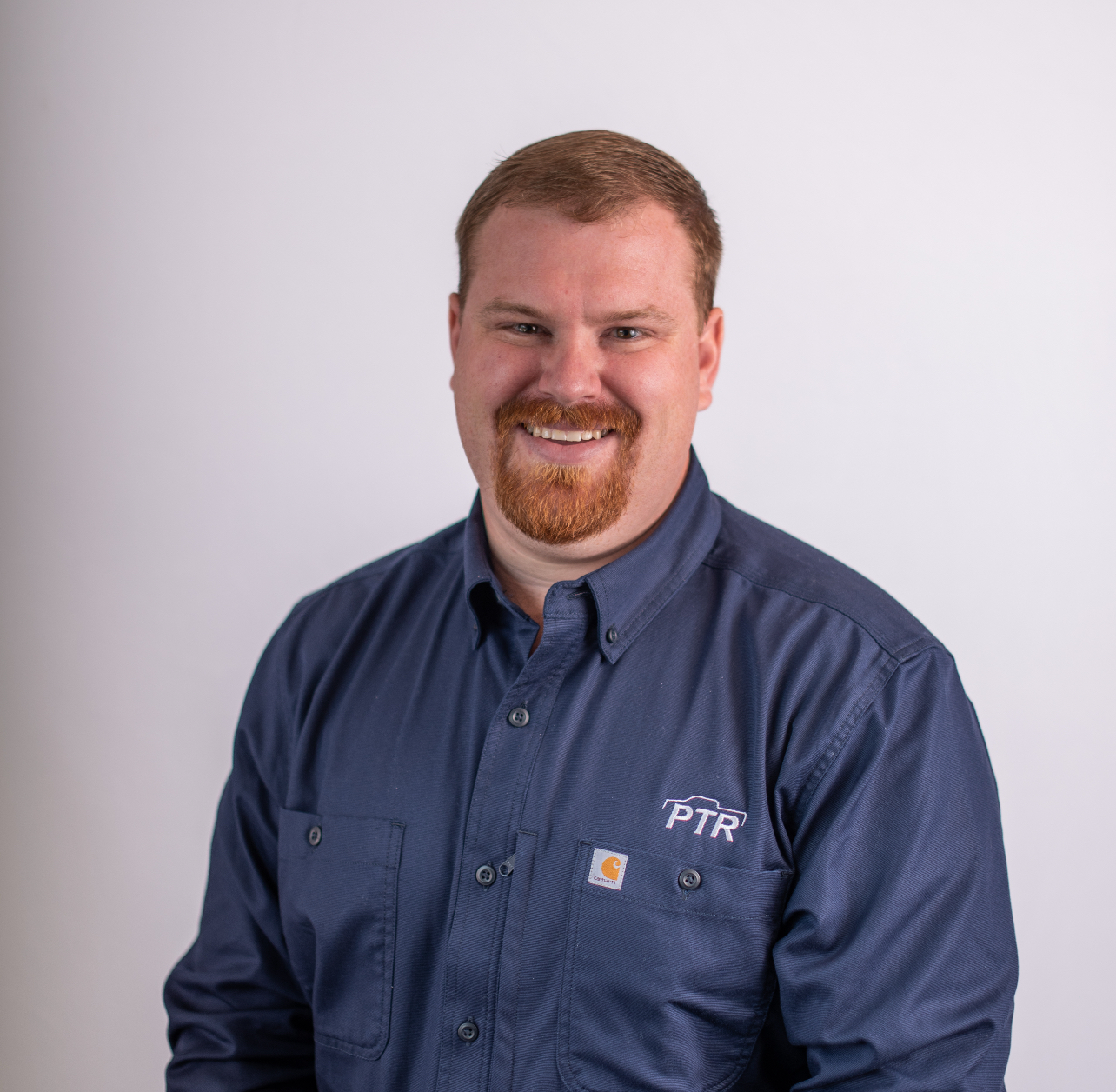
Right. So anyways, tell me about PTR. You got your shirt there, premier Truck rental. For people who don’t know what that is, tell me about the scale of PTR. What do you guys do? How are you different from your competitors?
Chris Keys (09:05):
Yeah, so like I said, didn’t know anything about trucks before, but I tell you what, it’s interesting. And so there’s a few large players. I think there’s four or five main competitors and then some small guys. So we are an 11-year-old business individually owned by a gentleman named Rob Zel and his daughter Adrian Horn. So it is a family run business. Don’t quote me, but I believe we’re somewhere around 300 employees now in 11 years, went from zero to about 15,000 units in that time. So Rob came from the rental world. He owned a company called ESCO Equipment, which was in the power line business. And so basically we saw this niche of we know the power line business, we know the pipeline business, and that’s kind of where we got our foothold. And we’ve got a lot of old relationships that helped us. And our goal is to be different all the way around.
Chris Keys (10:11):
So we want to run newer equipment, we want to run American Made Ford, Dodge Chevy. We stick to what we do, we try to be good at what we do, and we try to hire the best of the best. We have a very diverse employee base from management to sales to we focus hard on building the environment and the team around us. So making sure everybody’s a good fit is a huge skill to us. So we run from California to Florida to Maine, and we can have a truck to deliver to in that kind of time from order delivery about three to four days anywhere in the country. We kind of set ourself apart because we do custom trucks. So if your company trucks are set up with decals and toolboxes and strobe lights and all this, we basically can take your company rigged out truck and we can set ’em up exactly like that in the same three to four day timeframe and deliver it tax title, license, ready to roll to a hotel for a guy that’s just starting. So very interesting to see. We’ve got a lot of great people that make magic happen every single day. And it’s kind of where I got my foothold into how big processes and procedures can help you with scalability. So that was a new one to me. And when you’re just talking in the masses,
Kyle Clements (11:48):
Yeah, well just make sure I got the numbers right. 11 years old gone from zero to 300 employees and zero to you say 15,000 units. And those are mostly all trucks or
Chris Keys (12:00):
Trucks and trailers. So we have a trucks and trailers, a very large trailer fleet. Basically everything’s under CDL requirements. So no big trucks, no semi trailer, stuff like that, but gooseneck trailers and deco over trailers and equipment trailers. So we’re dealing with the same people that are renting from all the other companies, the mom and pops, the United Rentals, stuff like that, dealing with the same exact customer base for the most part.
Kyle Clements (12:28):
And why would someone rent a truck versus buy a truck? Right? I’m interesting. The custom component, if I’ve got a company truck that’s custom with the paint and the details, at some point you may just buy it, right? Why would someone rent it? I am just curious about that.
Chris Keys (12:43):
Yeah, yeah. So that was a big question of mine when I got here, right? So there’s quite a few reasons. So I mean, one, you get a tax benefit instead of a three or five year depreciation schedule, you get to write off 100% of that monthly payment. The kicker is what truck makes it five years in the construction business going down a right of way or a job. So it’s pretty rough on ’em. So you’re not going to get the life out of it that you’re going to get out of a personal vehicle in the most part. But at the same side, it’s scalability and it’s risk management. So there’s a lot of mega projects going on right now, whether it’s data centers or the four blue oval projects, stuff like that. And you go land, say a hundred million dollars project or whatever it is, one of these data centers, you’ve got to put guys in trucks.
Chris Keys (13:42):
Well, if you need 200 trucks and the job is two years long, or maybe it’s six months long, does it make sense to go put 200 trucks worth of debt on your balance sheet or can you leverage that for other things? So the funny thing is, I remember sitting down with a guy and I go, I asked him this question. He had been a fleet manager for 30 years for a company called Mirrors. And he goes, Chris, he said, it’s funny. He said, when you add in tax title, license maintenance, he said, and you’ve got 2000 of ’em out there as a company. He’s like, for one, that takes a whole lot of people to manage. He said, you’ve got a lot of maintenance you’ve got to keep up with. You’ve got a lot of downtime that I can’t equate to. He said, I can’t really put a number on what that costs me while I’m making a payment while it’s sitting at a dealership. He said, say, when you actually run the numbers, not including downtime, he said, our cost is almost exactly the same to rent it versus own it. He said, but I don’t have to deal with 50% of the headaches and headaches in fleet when you have 200, 300 trucks are a whole lot different than equipment just because of the volume. And that was a new one to me.
Kyle Clements (15:04):
Interesting. Well, you have to argue with the numbers. The success of your company tells me that there’s the man there. I’ve never even thought about truck rental to be honest, and maybe our listeners know about this stuff, but this is all sort interesting and new to me. And also the predictability part. You got the same payment. I don’t know if you guys cover damages, et cetera, but it’s probably very predictable, you know, could model it out, two year project, et cetera. That’s going to be pretty attractive, right? Because I think the reality is if you’re building something, you’ve got a trillion things to worry about. If you can make it a trillion minus one, now you have predictable trucks. That’s good, right? We have it is also stay in your lane, stay in what you’re good at. And managing a fleet of 200 trucks is probably not what contractors wake up every day and they’re great at, right?
Chris Keys (15:47):
No, they look at it as a liability for the most part. They’re like, we got to have it. It’s a necessary evil. I don’t enjoy them. They don’t make any money technically. So you can’t put it on a job and say, Hey, it can dig X amount of yards a day. So you can measure production with an X figure. You can’t really measure production on truck. So it’s just this fixed cost that goes into the job. And that’s kind of why they like the rental side because they know what that cost is. They don’t have to go to a dealership and buy it. And I think we all know it takes a little bit of time to buy a truck from a dealership or
Kyle Clements (16:22):
Buy a hundred trucks from a dealership or a
Chris Keys (16:24):
Hundred.
Kyle Clements (16:25):
Yes
Chris Keys (16:26):
Is going to be fun.
Kyle Clements (16:27):
Exactly. Who is your main sort of ideal customer? ICP, ideal customer profile? Is it people doing these data centers, these really large jobs? Is it smaller builders? Is it a mix? What’s your core customer base?
Chris Keys (16:41):
It’s a mix, right? So it really is. I would say we started in the pipeline and power line business and primarily because those are very ENT markets, right? They’re good when they’re good, they’re bad when they’re bad, or basically you can go from having more work than you know what to do with to no work. It’s just the nature of that business. But they’re both cashflow heavy businesses at the same time. Those are two really good markets. But what we’ve noticed when you have transient customers or these large scale customers, and now with the mega projects, those guys are trying to scale up. So now there’s a whole lot more in the general construction space. The solar space is big just because the amount of people it takes. But we also deal with pest control companies. We deal with some guys that only have five trucks or 10 trucks because when you’re a newer company, three years old, like I putting truck costs, what, 50, $60,000 now for a three quarter ton truck. So you buy two of ’em, you got a hundred thousand dollars worth of debt on your books, well that’s going to slow down your growth. But if you have a rental payment, they don’t see $200,000 worth of debt. They see $3,000 a month. So it kind of helps with financing and stuff too, as you’re trying to grow and scale.
Kyle Clements (18:11):
And given the national scale. You mentioned Maine to Florida to California, you probably have a sense of how the general construction market is doing, right? There’s all these data points and a lot of rail companies we talked to are local, independent, maybe regional. The nationals have their dataset, Rouse has their dataset. You can read the Dodge reports. What’s your sense of the construction building economy? Are things expanding with the data centers? The jobs reports came out today, it was a little lower than expected. Are things slowing down? I’m curious your view of where the macro construction movement is going. Are we continuing to build or are things slowing down?
Chris Keys (18:49):
We haven’t seen a slow down. So we’ve seen a little bit of slow down. In certain markets like solar, there’s not much. So it’s slowing down a tad bit. There’s still a lot going on, but the pipeline is doing great, especially on the non-union side. We’re seeing that picking up as they’re trying to transport more oil and gas. The mega projects right now, I was telling a buddy the other day that I’d never noticed. I mean, I’ve been traveling states for almost seven years now, and I’ve never seen this many big projects happening at one time. I mean, they’re just everywhere. You turn in every state. So I’ll be honest, it is funny because I still talk to all my buddies in the equipment industry and we tend to pick up about two weeks before they pick up. So if we’re going through a slow time, it’s like I talked to them, they’re like two weeks later and I’m like, man, it’s really slow.
Chris Keys (19:47):
I’m like, yeah, I lived that two weeks ago. It’s funny because the trends seem, I don’t know if there’s any data behind it, but it just seems to be the trend that we’ve noticed before the construction market, there are little pockets that aren’t as busy, but if you’re looking on a broad scale to us it feels very stable and it feels like it’s still growing. We’re still getting busier and busier every day. More jobs are kicking off. And with these bigger projects, these are four and five year projects on these data centers. So once they get started, the more you add, it’s not like that job’s over, they’re just adding to the pile.
Kyle Clements (20:29):
And I imagine these data centers is artificial intelligence driving a lot of that? Is the AI movement part of that?
Chris Keys (20:38):
Yep, yep. That’s what we see. Now, there may be more to it. I cannot tell you that I’m an expert in any data centers at all. But what we’ve noticed,
Kyle Clements (20:48):
I just got back from an AI conference last week. As a software person, you got to be on top of that. And I think as much of the data centers we’re building, I don’t even think it’s enough still. So I mean, it’s like everybody’s adopting it and we’re just blowing through the usage of it. I don’t know, in the next 10 years, these big projects, I don’t know if they’re going to be slowing down.
Chris Keys (21:15):
So it’s funny you say that. You say you don’t think there’s enough. So I can’t say that I understand the AI at all. I question a lot of’em like how do they make money to pay for these? Because I’m looking at ’em going, my God, the fuel bill on that job is actually, well,
Kyle Clements (21:30):
They’re not making money yet. They’re making revenue for burning billions of dollars right now.
Chris Keys (21:34):
Right? And you can see it. I mean you can see it going up in diesel fuel every day, but I heard the other day throughout the, one of the owners of the data centers, and I think they said something about there’s like 76 of them going in right now. Now they’re not all going to be the mega ones, but I’m pretty sure he told me within, I want to say it’s like 15 years. They want a thousand out there. So if you’re at 76 to a thousand, that’s a whole different story.
Kyle Clements (22:04):
That’s what I’m talking about. Is that in Texas or where was that? Was
Chris Keys (22:07):
That It was all over. That was one of the owners. I can’t remember the name of the company. I’d never heard of them, but they were an owner of the data center that was having it built. So
Kyle Clements (22:18):
Yeah, I mean, I don’t want to get on AI tangent here because people, our audience knows I will. But I think the consensus, depending on who you asked, my belief is that this is the biggest technology shift we’ve seen in our lifetime, and I would say maybe potentially more transformational than the internet. And I think the difference between the internet and this is people were sort of, the internet sort of adopted over a period of time. I remember waking up for school in the nineties and logging onto the AOL to see if we had school canceled because of the snow, and it took five minutes to the internet to load. But AI is being adopted. Everybody, even people who don’t use technology using chacha PT today. So what’s happening is I think people are moving much faster into this. And I think the limitation for adoption of where this could really move is going to be resources. It’s going to be lands, data centers power, and I think within some period of time that is going to be a limitation. I think the people who’s like, I’m going from 76,000, he sees that, right?
Kyle Clements (23:16):
He knows that that’s going to be good for builders.
Kyle Clements (23:19):
And you follow the money. I mean, even the big beautiful buildup passed in July. Effectively, there’s no regulation on AI for the next 10 years, which there are some dark sides to ai, but China’s not doing that. If you’re going to compete in this AI arm race, which is what we’re in, you don’t have a choice globally because I think there’s a belief that whoever controls the AI is going to control the world. So I don’t know about all that, but I’ll just say is I think these projects that are kicking off are going to accelerate maybe this year, next year it’ll be down or up, but if we look in the next 10 or 15 years, I think there’s a lot to be bullish on in building, but obviously for the rental side as well. So that’s my tangent for now. I want to talk about sales teams here, because you’ve managed and lead sales teams. I want to talk about the importance of efficiency. As you’ve scaled, even the brief time you’ve been at PTR, you guys have been growing pretty rapidly. When you think about building out a sales team, moving from one salesperson to actually an organization and a team, what are some of the things that you have to be thinking about?
Chris Keys (24:22):
Yeah, it’s a great question. So we are very good from, and I give PTRA lot of credit. We are very good about giving. So basically I guess how we work with our team. So our individual teams are made up of a territory manager, an inside sales rep, and then we have a couple of rental coordinators for each team. So that’s how we do a little bit of how we do tell all the trade secrets. So my team basically handles all of my customers. So anybody that builds out of Missouri, Arkansas, Louisiana, Mississippi for me, my team covers them nationwide. So we don’t have multiple reps talking to ’em. We know our customers, my inside sales reps know our customers, our rental coordinators, nrs, know our customers. So we’re big on building out individual departments and we’re big on trust. So that was one of the hardest things from where I come from in the past is you have to follow the process.
Chris Keys (25:37):
That’s what you see a lot of times in the equipment industry is that the guy that’s outside has the relationship, but he’s kind of living and dying with that. So every little problem here or there he’s dealing with, well, it really bogs him down. You hired a sales guy, maybe because of his personality, who he knows his background, whatever, his job’s to sell his job’s to be in the road, buy a breakfast, buy a lunch, whatever it is. So why does he need to deal with, did a track break on a machine? It really shouldn’t be his deal. He shouldn’t be in the middle of it. At any point in time you have a service manager, that’s what they’re for. So we’re big on delegation and we have a lot of great people. We have a lot of people that we’re big on trust. So if you say you’re going to do something, you do it.
Chris Keys (26:30):
And if you tell somebody else, even with the stale than get missed. But at some point in time, I take the order and then I don’t even necessarily know when the truck’s getting delivered. I premise to the customer like, Hey, it’ll be there in about four or five days, whatever. And then it goes through the process, it goes to our scheduling team, our upfit team, it goes to our logistics team, and then you’ve got logistics letting the customer know when it’s going to be there. So it’s interesting to see, and I think it’s something that it comes with a lot of pain points I saw in the equipment industry that how can you get things away from the sales guy having to handle it, right? Or your rental guy or whatever it is, because ideally you want him going out meeting new people, shaking hands and not doing day-to-day things.
Kyle Clements (27:24):
Interesting. Yeah, it’s a good perspective. You want your salespeople doing as little things that are not selling as possible. And obviously there’s some percentage of every salesperson who’s got to do some things that are not sales activity focused. But you’re saying you’re like, how do we minimize that? How do we get our salespeople doing only selling, right?
Chris Keys (27:45):
Yeah. And the way we work is our inside reps are an extension of us, and that’s where I give PTRA lot of credit is that we’ll take guys or girls or whatever that maybe they don’t have sales experience, but they have a good personality, they’re willing to talk to people, they’re willing to pick up the phone, and we try to build them from the ground up. So we give them that start that to go get an outside territory manager position. That guy probably wouldn’t have a chance to get it originally unless he’s just killer attitude and stuff like that. But he just doesn’t have the experience. And I think we all know anymore, you go look for a job and it says, well, 10 plus years experience to get this, well, you got to give somebody a shot. So we work with our inside sales reps is kind of, we’ve been in the industry, we know customer base, and so we’re a team all the way around. So if it’s damaged bills, we’re going to split the responsibility there. Every text message, email, string, whatever, it’s us and our sales, our inside sales rep. So it’s not just me. So he or she knows that if customer has a problem, they’re just as involved and they’re going to help. And everybody has visibility to everything that’s going on, which really makes it so much easier for me to go drive five, eight hours live on the road five days a week and not be behind in what we’re doing.
Kyle Clements (29:21):
On the visibility side, are you saying all the customer communications, all the schedules, that’s all being able to be streamlined and seen by you? I mean, how transparent are you guys?
Chris Keys (29:33):
Very, very. So we’re not here to hide anything. So we have one team, one goal, and that’s us as a company whole, right? We’re all driving to do better to take care of the customer, whether that’s field service, whatever. So we actually, we built a lot of our own systems. So we use Microsoft Power bi, and so not only can we see the communication with the customer, my whole team can see it if they need to see it, but we can also see all our visibility internally. So the one thing that I, it’s always a pain point. I was on the equipment side was watching a sales guy having to call the office and go, Hey man, do we have a PC two 50 in stock? Okay, do we have five in stock? Do we have the buckets to fit them? That’s a five minute long conversation if the guy on the other end of the phone answers immediately.
Chris Keys (30:40):
So the nice thing about us is we have everything at our fingertips. So I can see my entire inventory, I can sit in front of a customer and we don’t pay out the lazo for it. We don’t have this Salesforce built out costing us whatever number that is a day or a month or whatever. But we’re constantly developing that so we can see our revenue stream, we can see if we’re putting more on and off because our idea is growth and anything that tends to challenge us, we need it out of our way. I need to be able to handle something in three minutes and we need to be moving on to the next.
Kyle Clements (31:26):
On the transparency side, Ray Dalio, and he’s got, he’s a book called Principles. He’s a hedge fund guy, but he’s the ultimate extreme transparency, the point of uncomfortability. He just says that’s the extreme version. I generally think companies are stronger when they are transparent. We have what we call the data dashboard. Every metric in the whole company is visible, including cash balance. I just was like, screw it. We’re going to have revenue numbers, all that. Are you guys at that level? You’re showing revenue numbers and you’re putting that out there. The whole, all 300 people could see that,
Chris Keys (32:01):
Well, maybe not all 300, right? The shop technicians, maybe they’re not looking at that. They’re not in that stuff all the day. But anybody that’s needing to make, I would say it’s more like when it comes to management or customer facing people or decisions, sometimes you just have to be able to make an educated call. And that education usually comes tied to money.
Chris Keys (32:34):
If I have a guy that needs 50 trucks, well, we have to make an decision quickly on how we’re going to handle that. Do we have all of these? So for the most part, the entire sales team and all of management and everything can see it. The people that are going to, I guess utilize it, but there’s reports that I can see that the shop has and vice versa. So our idea is the more educated you are, the better you can make a decision. We’re not here to micromanage anybody. We’re here to hire, like I said, we try to hire the best of the best, and we want you to still be able to think for your own, but also continue to grow and not have to go to everybody for an approval of this or that you have a job to do. Obviously you’re here because you make money. If you don’t make money, you may not be here. You’re here to protect the company and our own interest at the same time.
Kyle Clements (33:36):
Yeah, I actually find it really refreshing when companies are like, look, we’re here to serve for customers, but we’re a business. We’re here to make money for our employees and our shareholders. I remember a talk, people were like, why do you show up to work? And everyone was like, I love what I do. And they were like, all right, raise your hand if you would show up to work if your salary was now $0 for the next year, right? Really? Well, people aren’t turning up for work anymore. So I actually refreshing when people talk about, look, we’re a business and we’re going to do the right thing for our customers, but also the business, which requires bringing in revenue and paying our employees and ultimately generating profit.
Chris Keys (34:11):
And I think that comes from what we mentioned earlier, is it’s a partnership between you and your customer. So they have a business to run, you have a business to run, and you have to find a collaborative partnership that will work in the best interest. And every decision really needs to be made in the same thought process.
Kyle Clements (34:31):
It sounds like PTR seems to be a very autonomous organization where, correct me if I’m wrong, but it sounds like you give people a lot of context, a lot of transparency, a lot of, here’s the big goals, here’s the values, here’s the vision, and you’re ultimately responsible to own your territory. And how you get there is sort of up to you. Is that sort the model that you guys have built there?
Chris Keys (34:53):
Pretty much, yeah. Yeah, pretty much to a T. So I mean, there’s more people than you can even imagine that can see all our email communication, stuff like that, but we don’t use it in a negligent manner ever. So it never once come
Kyle Clements (35:07):
Up. You’ll be found out if that is happening, if you’re slacking off and the transparency actually drives a higher bar sometimes,
Chris Keys (35:16):
And you don’t want it to affect productivity, you don’t want people to be scared, Hey, we hired you. We know you know how to talk to people. There are some instances that the conversation doesn’t steer the same way as it always does, and we have support from management ownership, and I think that’s important that you support your team. So part of the team that management’s over and then I’ve got my team under me, and we’re all here for one common goal, and that’s to do business and do business the right way and provide our customers with the best product we can.
Kyle Clements (35:58):
Have you heard of the book? I think it’s called Turn the Ship Around It. It’s a submarine guy. So one of our competitors actually recommended to me, I’m friends with him and it’s the leadership book, but this submarine in the Navy was in the last place. It was ranked 60th of the submarines. I was 60. And he came in and he pushed all the decisions down as far as possible. And the way you do that, you got to push all the decision, all the data, et cetera. And the idea is they went to the saying, of course they become the best submarine, but the whole thing was, your employees from the very bottom person needs to come back to the next level and said, Hey, I intend to do X today and here’s how I’m going to do it. And then the manager says, sounds good.
Kyle Clements (36:40):
Or before you do that, actually don’t push that button. You’re going to shut down in the whole submarine. But the whole thing is you put autonomy and ownership down at the organization versus you saying, Hey guy, I need you to go do X, y, D today. And they don’t feel empowered. By pushing the decision making all the way down the organization, you get more buy-in, more ownership. And by the way, better decisions because they’re closest to the actual data and they’re closest to the customer and they’re close to everything. So I read that book about a month ago, turn the ship around. I just thought it was very interesting, and I love the phrase I’ve told our team, when you come to me with stuff, come to me with, I intend to do X, and I’m going to say, go do it. Or I’ll say, before you do that, don’t push that button. You’re going to break something, right? But for the most part, they’re not going to break it. But I love that phrase, I intend to do X. And it sounds like you guys have been able to do that. You pushed all the decisions down as far as possible, and you’ve created a culture of autonomy.
Chris Keys (37:28):
Yes. And hey, it’s not perfect. It’s growing in and changing every day. I mean, we make changes very quickly. It may be major changes, and it’s something that we know, okay, it’s a problem. We got to try something else. Is it the perfect solution? I don’t know. If it doesn’t work, we’ll back up and punt again. It’s not going to kill us. But if we don’t move forward, we can’t continue to grow. And it’s one of those things I’ve always empowered in my team and people around me, but we empower it here too, is okay, there’s a problem every time you turn around in business, whether it’s a customer problem, internal problem, and the way we handle our team meetings, our leadership meetings are, if you have a problem, okay, bring it to the table. But the next question you’re going to get asked is, well, what do you propose we do? I’m not asking you for a perfect answer, but if you have a problem, do you have an idea of how we can fix it? Maybe it’s right, maybe it’s wrong, we don’t know, but don’t come to the table with this is the problem. Okay, well, it’s not our job to necessarily figure out that problem, but if you have an idea of how we can make that problem better, we’re all ears. And then we try to really drive off the feedback from our customers then internally as well.
Kyle Clements (38:58):
That’s a great point there. I think it’s hard for, if you’re a rental company, listening to this is what we’re talking about is letting go of control. If you’re running an organization where you’re at the top and you make every decision everything, what color is the shirt all the way down, but to change to the organization that you guys have and that the submarine had, I was referencing, there is a period of time, several months where you’re letting go and it’s like you’re letting go of the wheel. Oh, it’s hard. And it’s very
Chris Keys (39:26):
Scary. Yeah. Yeah. I definitely command a lot of people, really good managers that I’ve met and sales leaders that I’ve met in the industry, I commend ’em for the trust aspects that they have and things like that. And it’s something that you have to learn, you have to pull back. But then again, you have to have some policies and procedures, but you’re not writing an SLP on it. So we’re in sales. It’s not like you’re going to go online to Amazon and click, oh, I want a truck. The day that happens is the day that you start losing customers. I believe we are a forward facing customer or a forward facing business. A customer wants a hamburger, you got to go buy the hamburger. We’re not an Amazon store, and I don’t believe that. Me personally, and I may be wrong. I don’t feel like it’ll ever get there.
Chris Keys (40:22):
I hope they don’t because then some of those are going to be struggling a little bit in the sales careers. But I think that just comes down to you have to build the right team. You have to trust them, and you have to put metrics behind it and go, Hey, your job is to do this. And if you don’t, well, okay, we might have to go a different way. But whether that’s pricing a machine out on the sales side or just how you’re handling a customer in the field, you have an expectation. Just make sure you meet the expectation. If you can’t, make sure you can speak to it.
Kyle Clements (41:02):
And it’s really hard. As an entrepreneur, a lot of rental companies started by the owner themselves. And we’ve got, in my company, 25 people now, but when it was started, it was one, it was me and I did every job and every two months I fired myself from a job. And we’ve hired someone to do it, and it’s gotten easier now, but for a while it was sort of hard. You let go of it and you’re like, Hey, you’re not doing it the way I used to do it. But you give enough time, you hire the right people, they end up doing better than you, and the results are amazing. And you can actually take vacations and you build an organization. You guys have your owner, your founder, 11 years ago, if he was holding everything white knuckle, you guys wouldn’t be 300 employees right? Now. That’s the difference between the guys who stall out at one location, the guys who can go nationwide is building the organization and the culture. If you build the organization, that organization ends up building the company. Right?
Chris Keys (41:54):
And you just mentioned the one that I probably haven’t mentioned that is the highest on our list and it’s culture. So make sure you’re hiring for fit. There’s some things if you have drive at your high end drive, okay, well, they’re probably coachable, but at the same time, you have to find the people that are good fit. So you want the guys that are walking in and smiling happy every day, and hey, everything can go bad. And we’re still trying to stand back up and keep going, right? We’re still driving that way. So we are huge on culture. We want a good culture. I mean, Lord, we’ve got a gym in each one of our main locations with a personal trainer, stuff like that. Actually right now they’re doing, I think they’ve got a fresh pick festival, basically. So it’s like a bunch of farmers and stuff came down and we got a bunch of organic or homegrown food and stuff, and it’s drive the culture, but that has to start at the top. It can’t start from the bottom. And it’s so noticeable what you get out of it when you have that culture.
Kyle Clements (43:04):
And last thing on that topic is you mentioned hiring earlier. I think you were sort of saying if they got the right personality, they’re coachable. You sort of can train anyone. When you are onboarding people and you guys have now hired 300 people, how important is experience and the perfect resume, and they worked at United Rentals and they did this versus someone who doesn’t have the resume, but they’ve got the intangibles. What do you really look for when you’re bringing on new people?
Chris Keys (43:31):
I would say we try to look at it as I say that everywhere I’ve ever worked, I’ve usually been one of the youngest people holding my position. And I found it funny, but I also appreciate it. But at the same time, so obviously I don’t have as much experience as everybody around me, but somebody gave me a chance. And I think we try to look at it the same way. Are you coachable? Do you want to do better every day? Do you have that internal drive? I can’t just wave a magic wand and give that to you. But if you have a good personality, if you’re willing to learn and you’re willing to work towards something bigger, then we can probably do something there. So maybe our territory managers, we’re looking for some previous relationships because they are forward facing and they are on the road all the time.
Chris Keys (44:32):
They have to be able to self-manage or manage theirselves. But at the same time, I would say most of our inside sales reps that are actually handling a lot of day-to-day customer interaction, you’re not going to find sales on many of their job titles. You’re not going to find an at and t store even. But you’re going to find people that want to learn. And then we also, we want to help develop them as well, because somebody has to give you a shot. Somebody gave me a shot years ago, never been in the rental equipment business. So at some point you just have to take a chance. And then our big thing is, if you do good, we’re going to find a way to promote you, right? We’re going to find another place. And if you want to go somewhere else, if you don’t like the sales side, okay, well, where are you going to sit?
Chris Keys (45:21):
We don’t want to get rid of you. We don’t want to lose anybody. We have good people. We have a good culture, and you have a home lot. So what fits your route? Do you want to go to parts? Do you want to? It doesn’t matter, but we’re going to try our best to find the best fit. And sometimes that means moving people a little quicker than normal, but we’re not here to say, oh, you’ve got to have 10 years experience, or you don’t get the job. We’ve got some fantastic people and some really good people that maybe have never been in the equip business, have never been in the truck business like myself. And we have people from all different backgrounds. I mean, we’ve got guys that used to sell paint or we’re looking, can you go have a conversation with somebody? Are you scared to knock on a door? Now, maybe that’s a learned trait. Remember my first cold call when I got into business? A little nerve wracking. But when you figure out they can’t take away your birthday, then okay, well what’s the worst that can happen? They ask you to leave. Okay, just come back.
Chris Keys (46:35):
So, no, we’re just looking for the best fit we experience is a plus, but we can probably get you where you want to go.
Kyle Clements (46:48):
I love that. And someone had told me about cold, cause they can’t kill you and they can’t eat you. So at the end of the day, worst case, they hang up on you.
Chris Keys (46:57):
Yeah, yeah. I’ll never forget a first got started, the guy just got absolutely irate with me. I’m like, what’d I do? And it wasn’t nothing that I did. He was just having a bad day, right? So like, okay, well call back. He’s the nicest guy in the world.
Kyle Clements (47:13):
Comes with the territory in sales a little bit. Well, Chris, it’s been awesome having you on. We’re just out of time. We didn’t get to talk about parts of a strong marketing team and social media presence has been huge for you guys. We’ll have to save that for another episode, but it’s been awesome to have you on. Last question I always ask everyone, Chris, is best career advice you’ve gotten that’s helped shape your success in your career? Anything you want to share there?
Chris Keys (47:38):
Best career advice. Don’t be scared to mess up, right? You don’t know everything. And don’t be scared to ask a question. There is no dumb question. I mean, I know that goes a long ways, but at the same time, and I think that goes from anybody that’s at a ground level to management, to the CEO, right? Sometimes you just have to make a call. You have the gut feeling, obviously you’re going to back that up with whatever you can. But to keep moving forward, sometimes you just have to take a chance. So don’t be scared to mess up. Make the wrong one. If you do, let’s fix it. Let’s move on with our life. And I think you learn a lot from that as an individual. You learn a lot from it as a company, but it keeps you on a growth trajectory and it keeps you climbing the bigger mountain. So I don’t think anybody’s here just because they want to sit still, right? We’re not listening to your podcast because we’re not trying to get better with our lives. So I guess that’s kind of what I would see.
Kyle Clements (48:49):
Yeah. Well, I love that. I think there’s also a theory that some of the companies that do the best are the most agile, and you become the most agile by making the decisions quicker than everyone else, right? You’re never going to have an data point, be thoughtful, but the ones who move fast, make decisions, continue to iterate. If you’re wrong, fire bullets, not cannonballs, iterate, and you keep iterating, iterating, iterating. That’s how you win, right? You got to it. Speed. Absolutely. It’s been awesome. Have you on Chris, I know you’re a ER to the podcast and now you’re a guest here. So it’s been an honor to have you on today, Chris. It’s been a pleasure,
Chris Keys (49:23):
Kyle. I really appreciate it and I’m going to keep following as well. So thanks for having me.
Kyle Clements (49:28):
All right, sounds good. Thanks Chris.